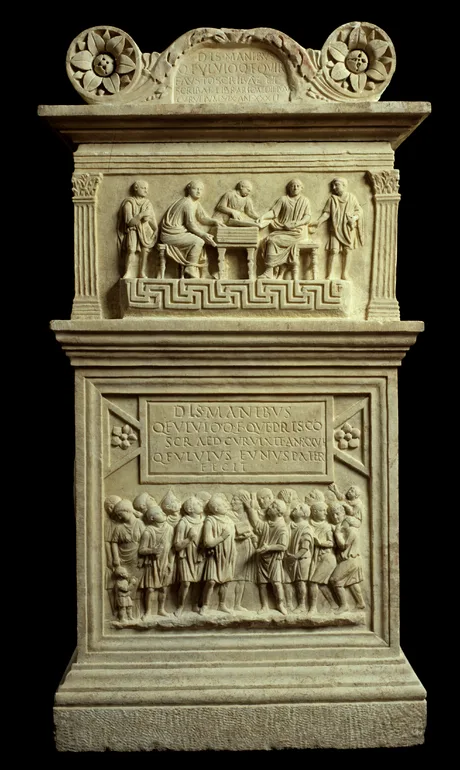
Altar of the Scribes Baths of Diocletian
The National Roman Museum boasts one of the richest and most significant collections of inscriptions in the world, containing approximately 20,000 items. Originating from the end of the 19th century, the collection is made up of materials drawn from historical collections and above all from discoveries made since 1870 at the major sites involved in adapting Rome to its new position as capital city of the Kingdom of Italy. Over the years, the Museum’s collections have been further enriched by archaeological materials found in the region around Rome and its immediate surroundings.
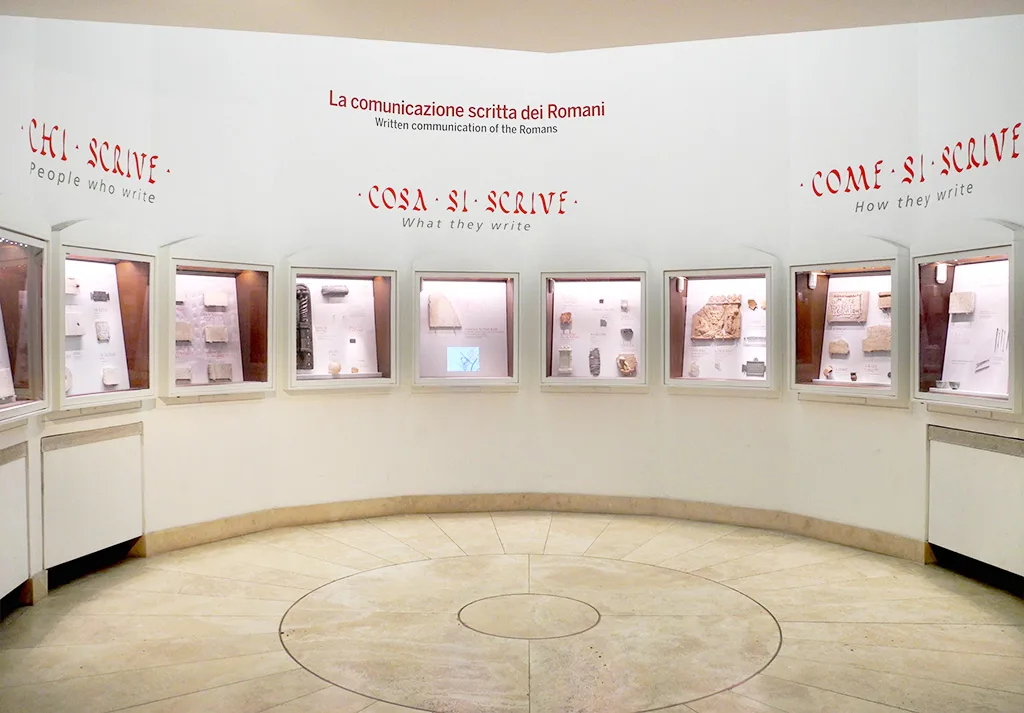
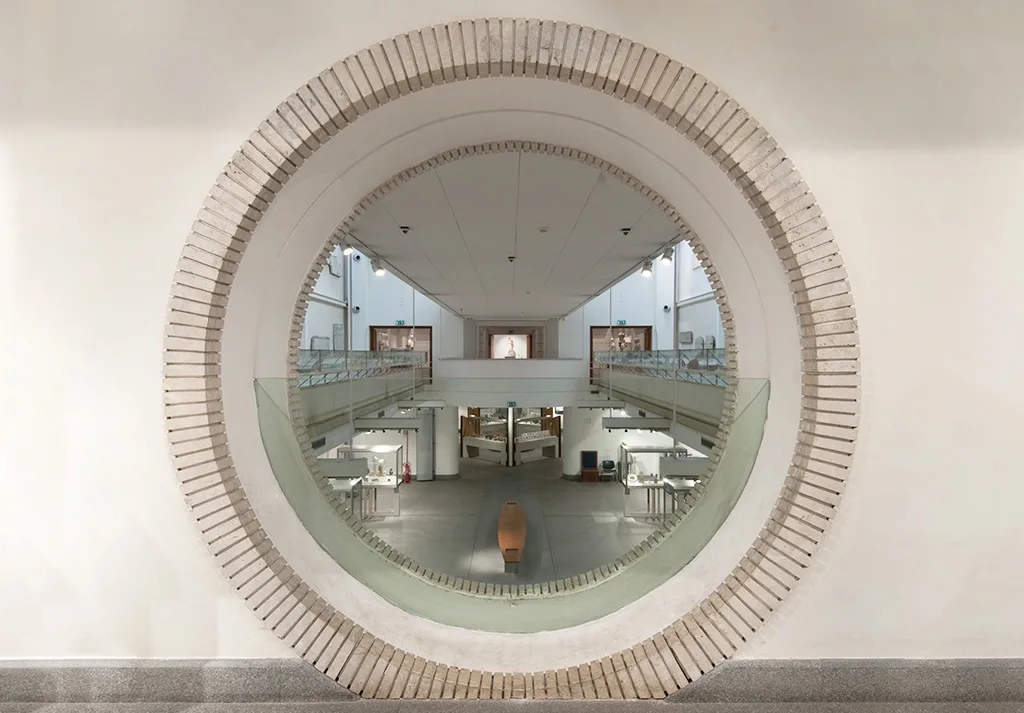
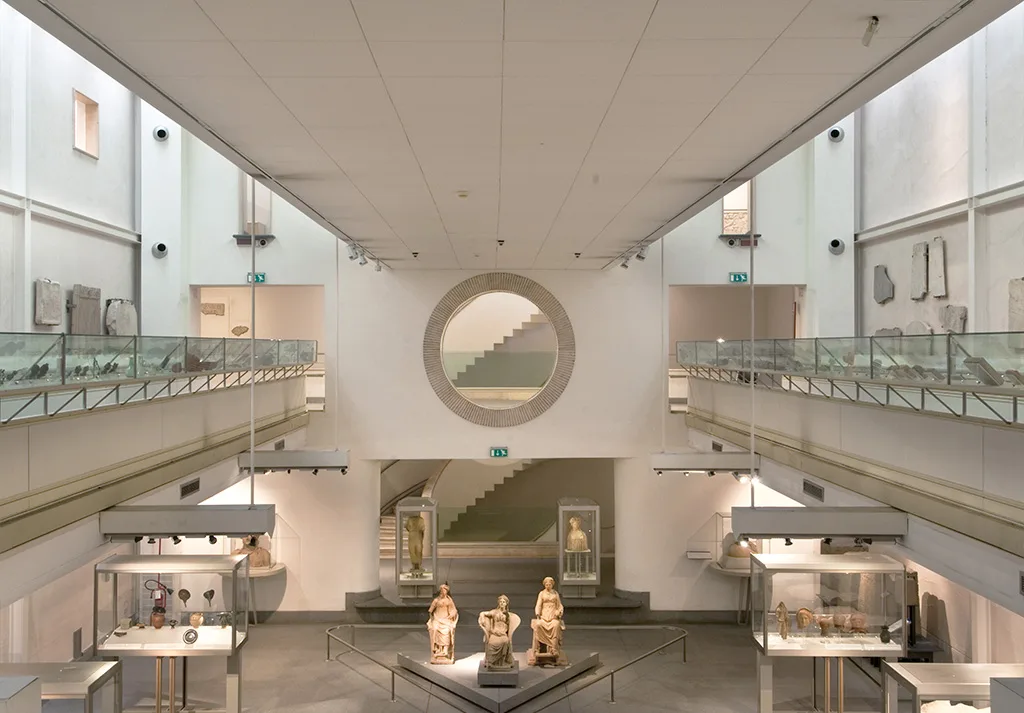
The three floors of the Museum house displays of around 900 artefacts that recount numerous aspects of Roman civilisation through the words that the ancients chose to inscribe on various types of objects: funeral steles and cippi (clay pots), memorial stones, altars and marble and travertine reliefs, but also bricks, lamps, lead pipes, slingshot projectiles and many other materials.
These texts were written by people belonging to all social strata, from emperor to slave, and bear witness to the daily lives of men and women living many centuries ago. Their words help us understand, and experience, the various moments of political, religious, social and economic life of ancient Rome, but also aspects in the private sphere, revealing a world of feelings and small everyday gestures.
Some of the most valuable items are also displayed in the Small Cloister of the Charterhouse, such as the rich series of inscriptions of the Arval Brethren (Fratres Arvales), unique documentation that describes the activities of this priestly college from the 1st century BC to the beginning of the 4th century AD, and the monumental pillars that record the ceremonies of the Secular Games (Ludi Saeculares) from 17 BC to 204 AD.
Altar of the Scribes Baths of Diocletian
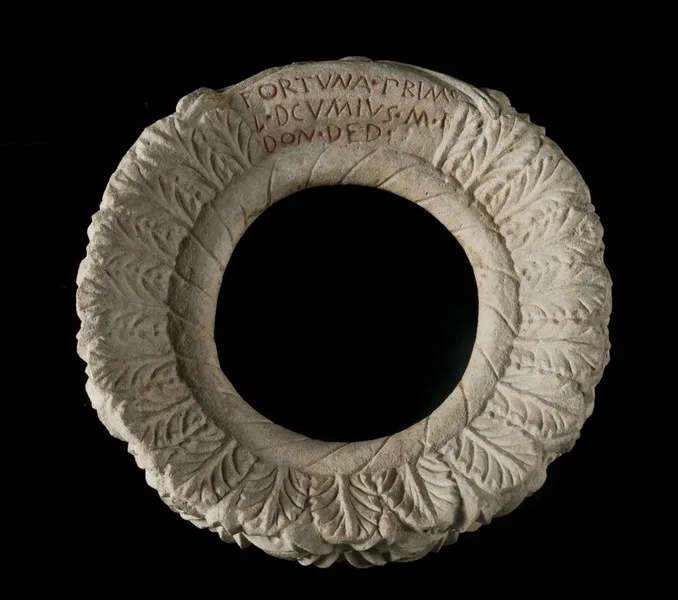
Votive crown for Fortuna Primigenia Baths of Diocletian
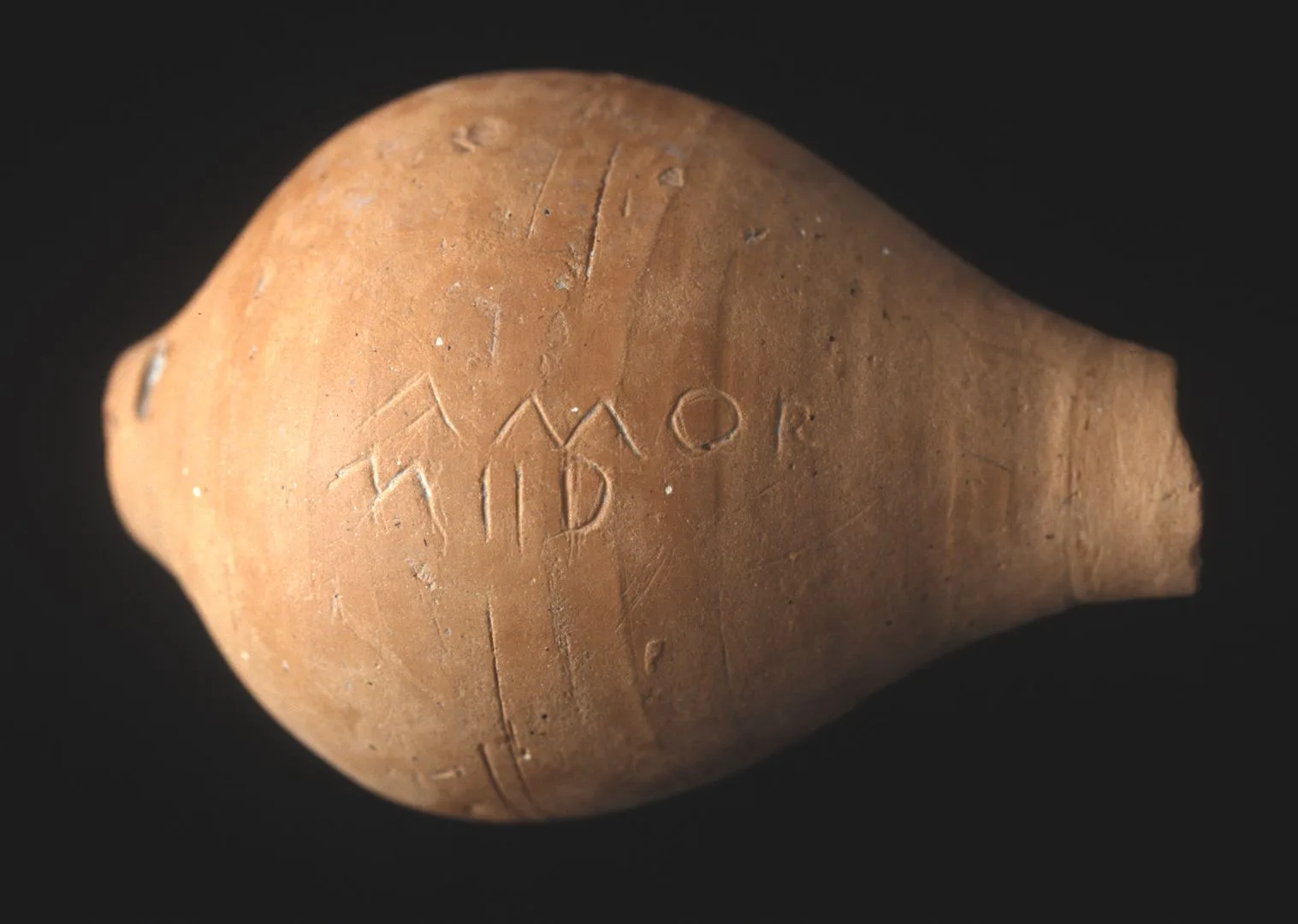
Gift from a sweetheart Baths of Diocletian
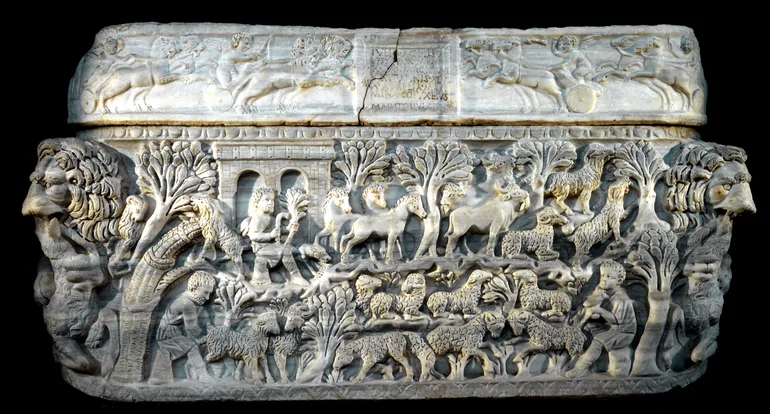
Sarcophagus of Julius Achilles, superintendent of the Ludus Magnus, the gladiatorial training school Baths of Diocletian
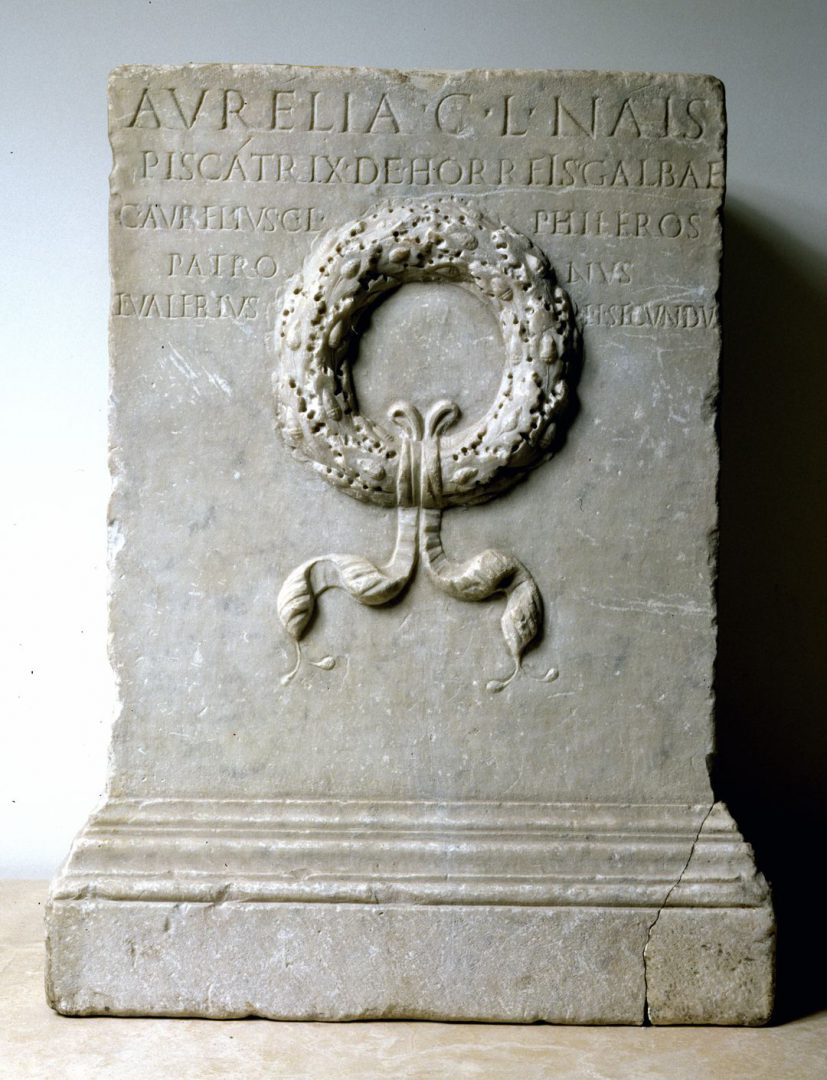
Funerary altar of the fishseller Aurelia Nais Baths of Diocletian
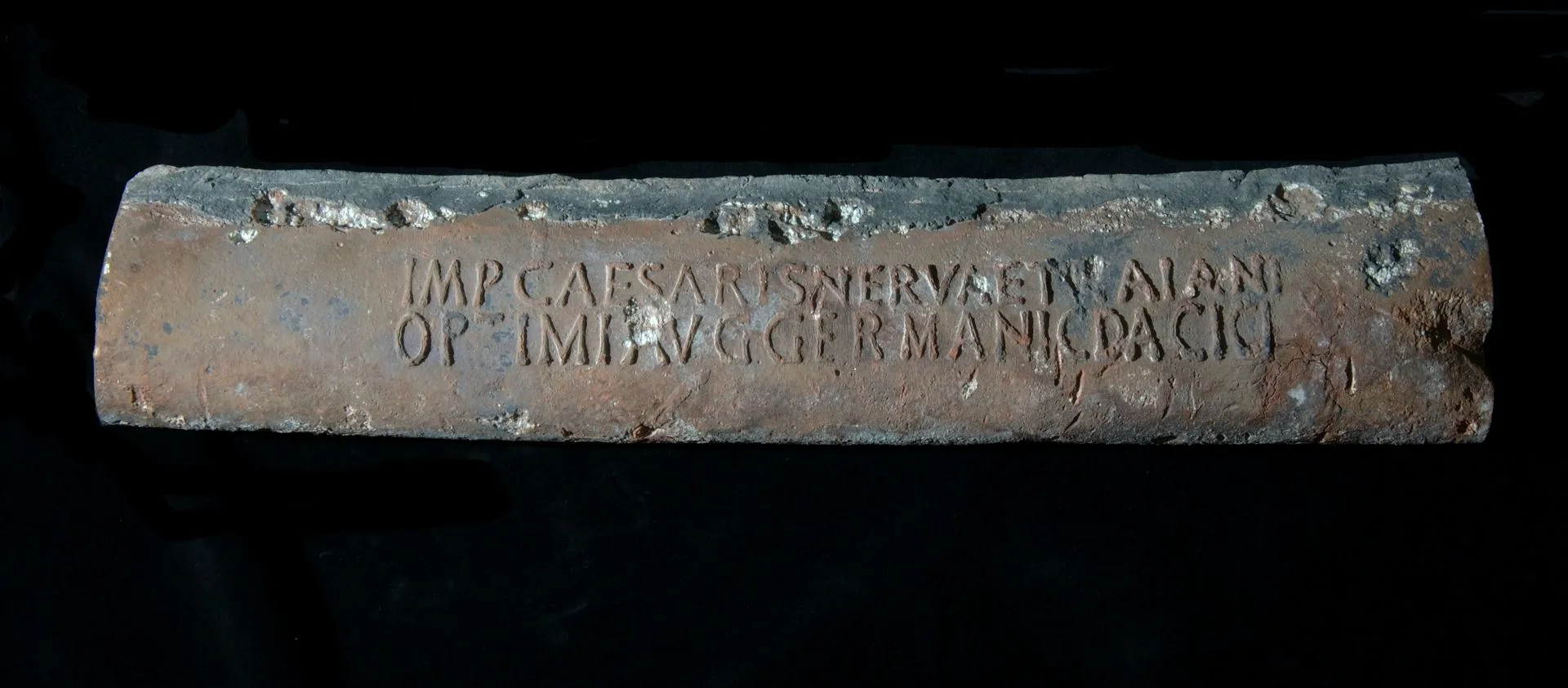
Water pipe for the Emperor Vespasian Baths of Diocletian
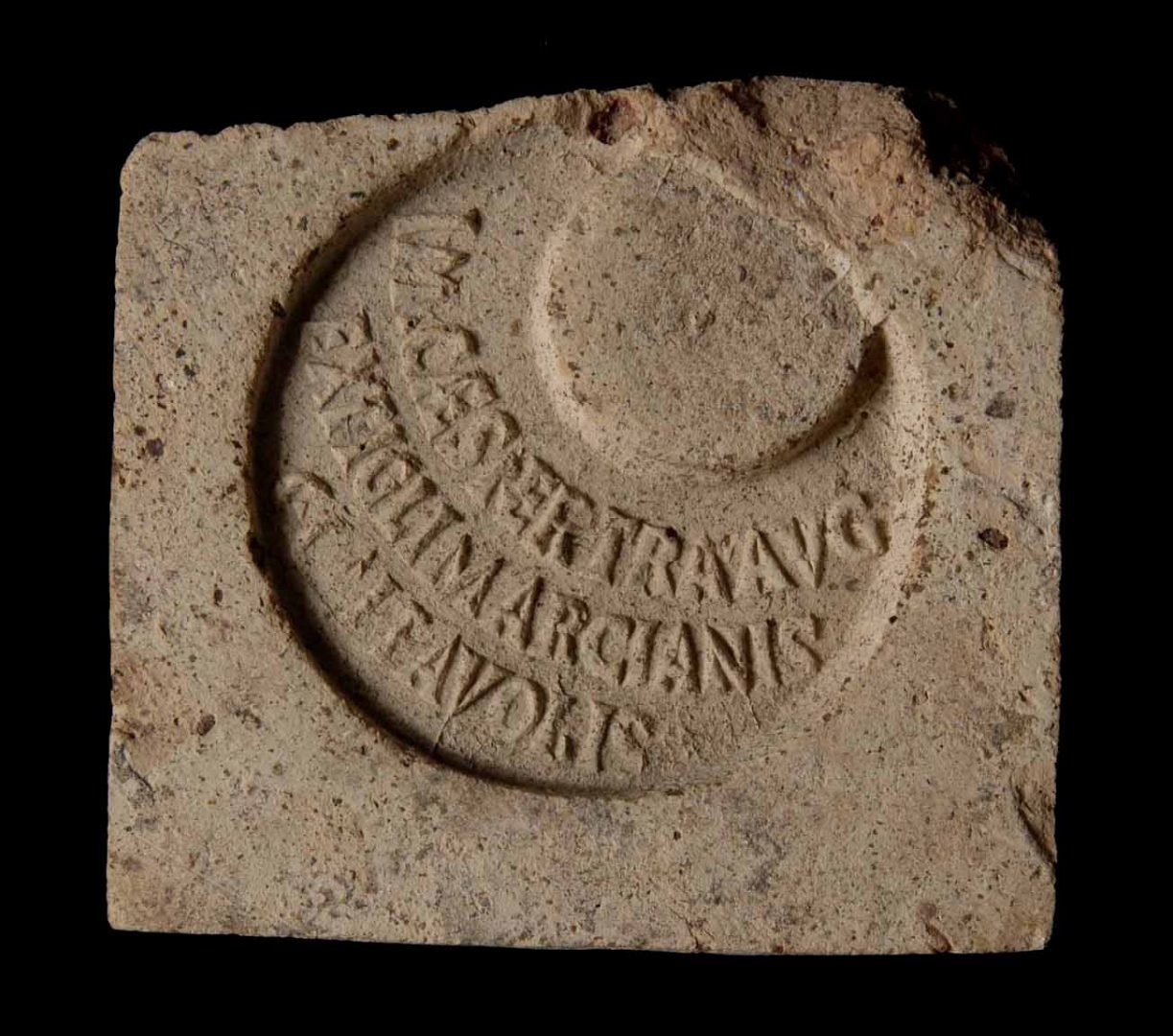
Brick bearing the mark of Trajan Baths of Diocletian
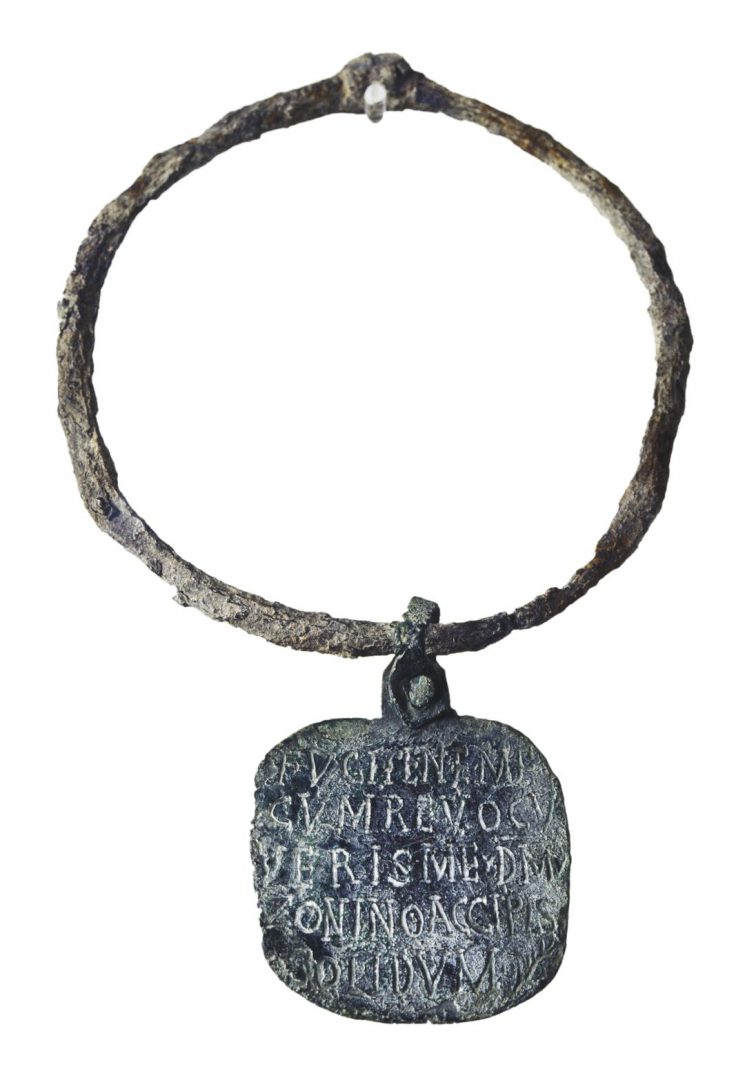
Slave collar Baths of Diocletian
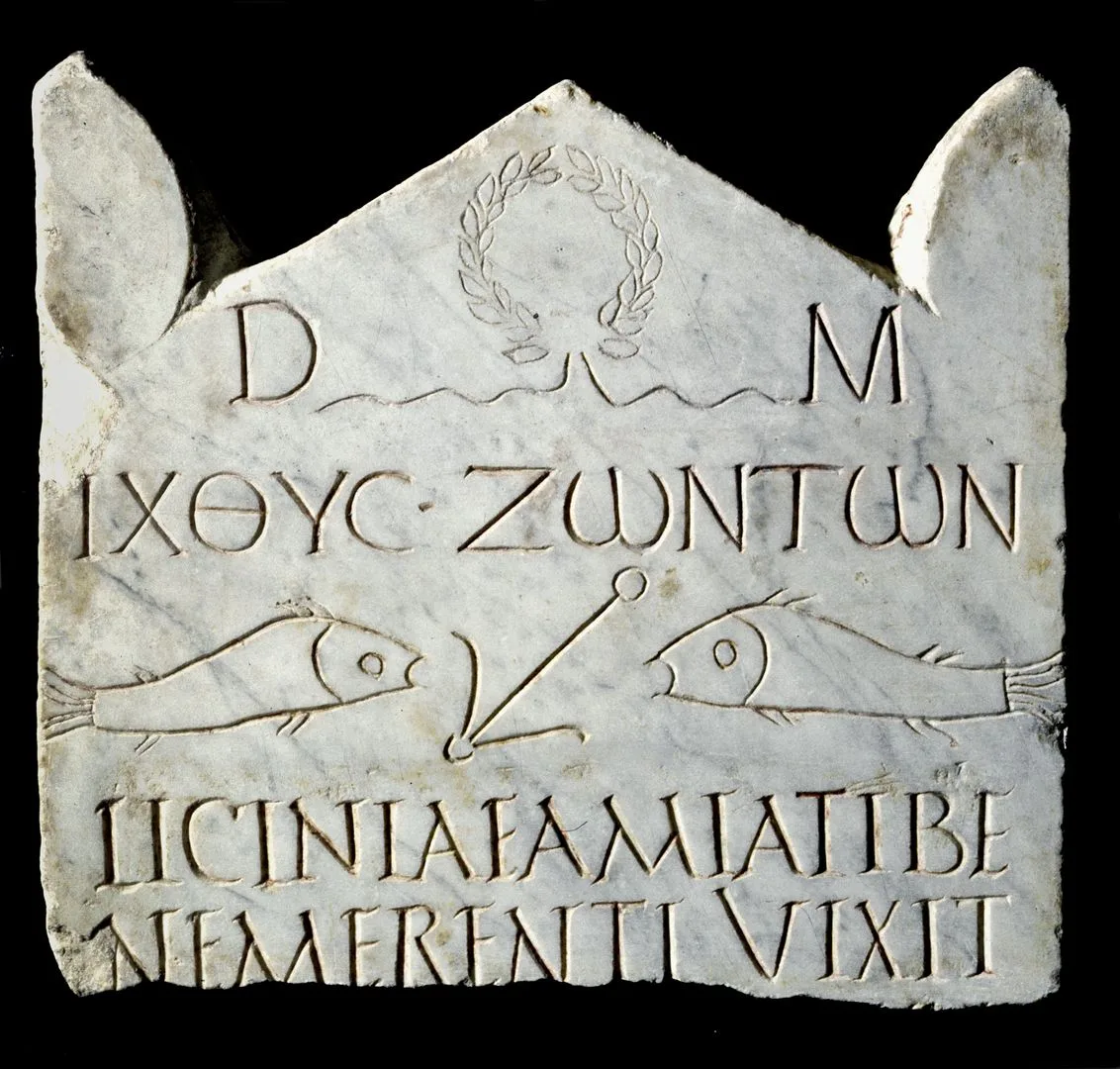
Funerary inscription of Licinia Amias Baths of Diocletian
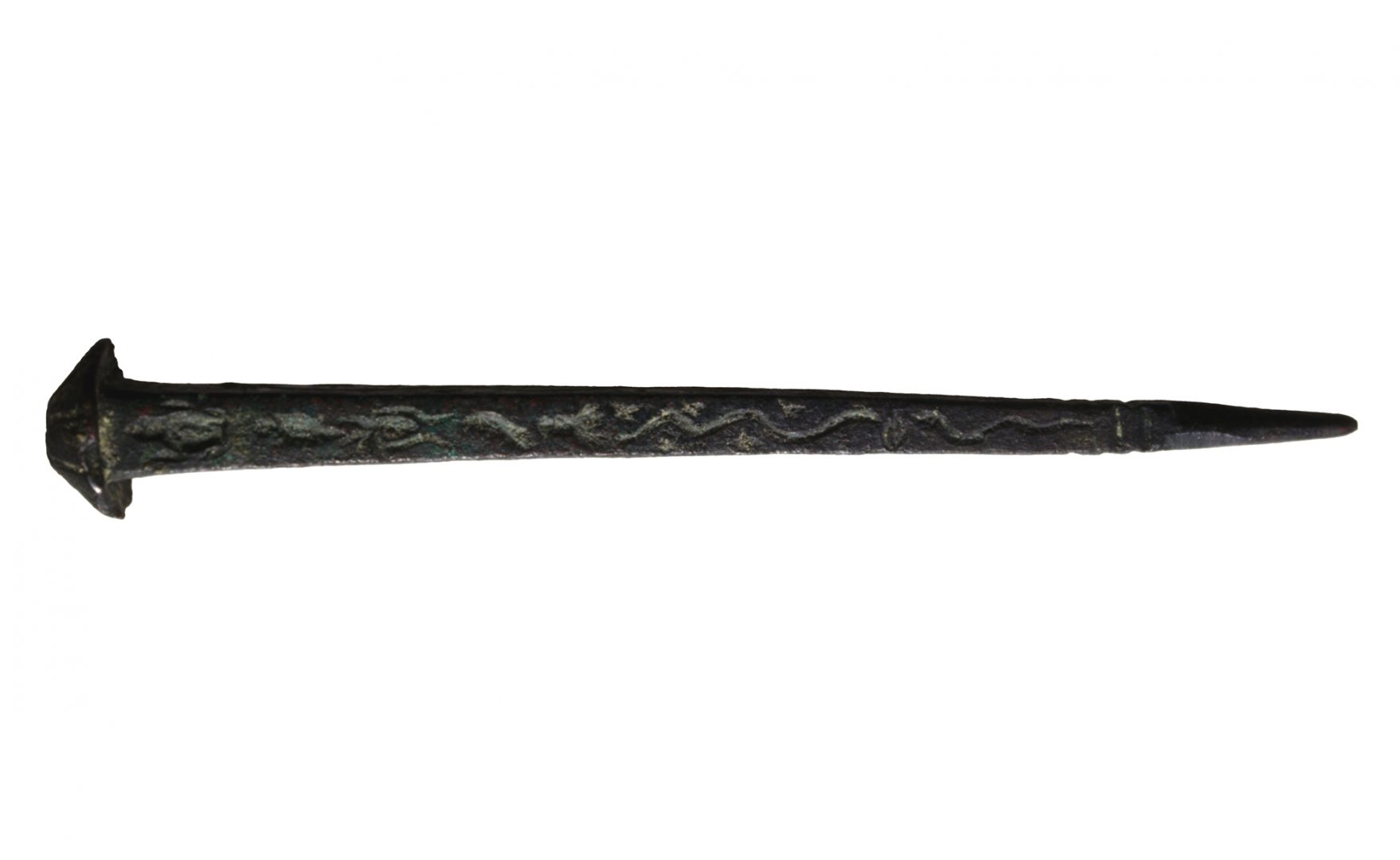
Nail with magical symbols Baths of Diocletian
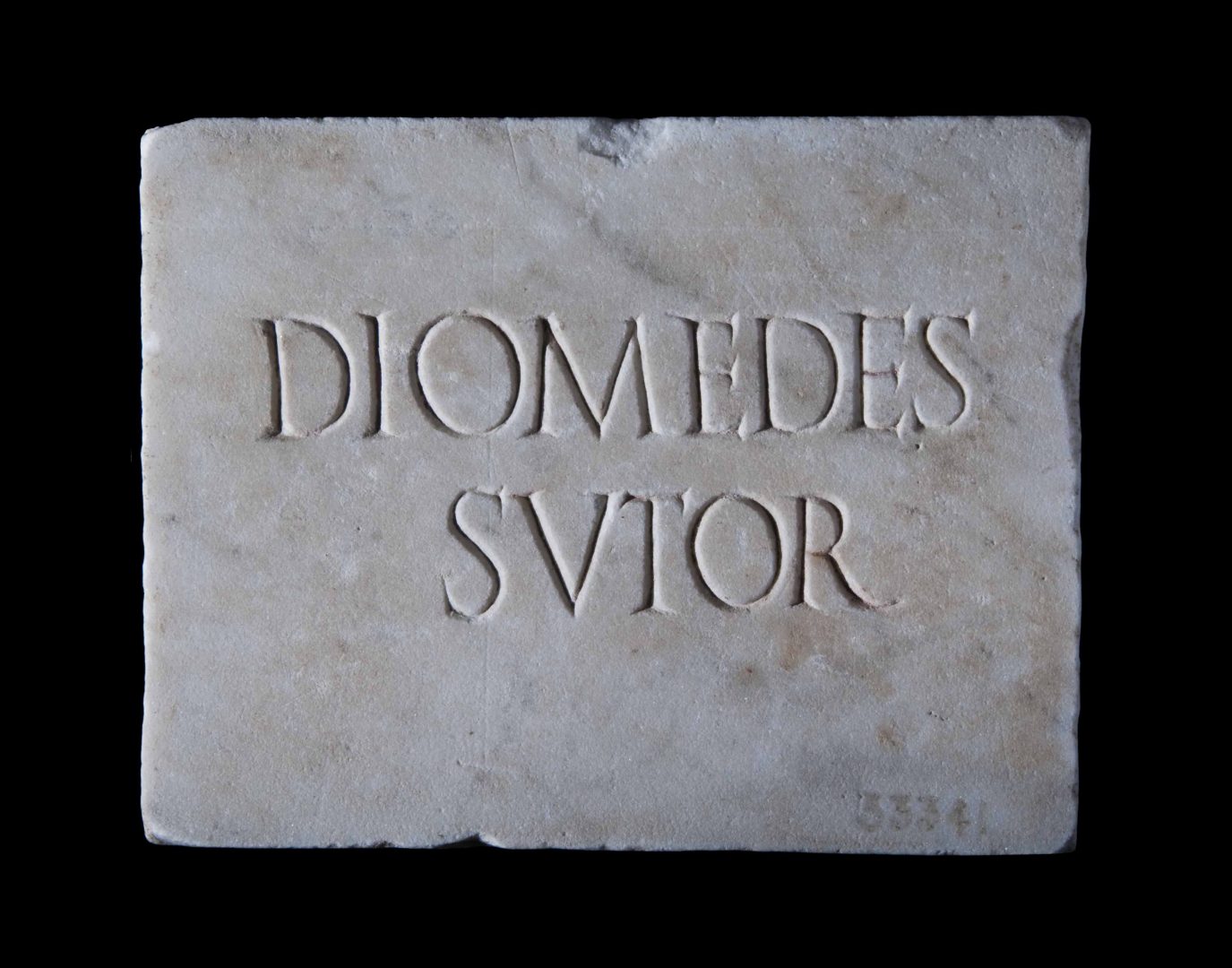
Tombstone inscription of the shoemaker Diomedes Baths of Diocletian
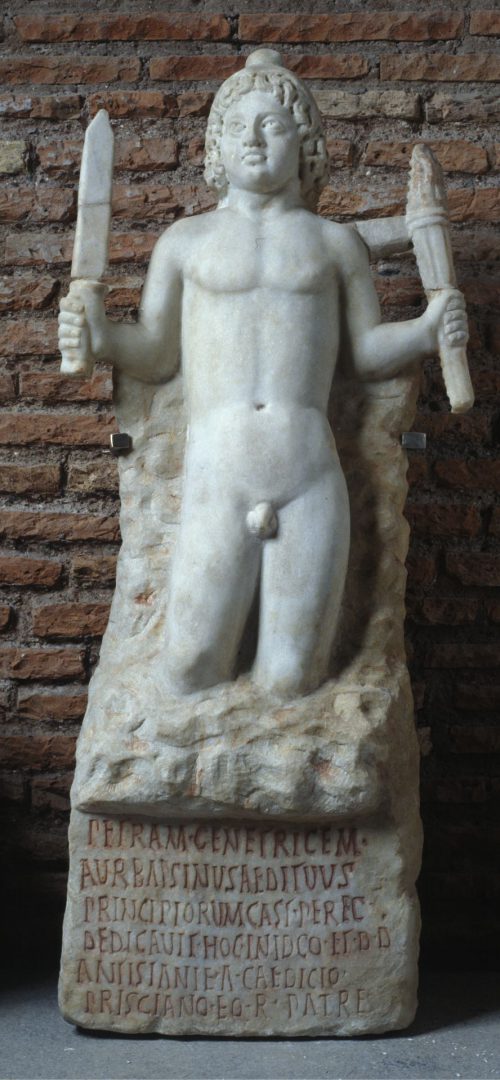
Statue of Mithras being born from a rock Baths of Diocletian
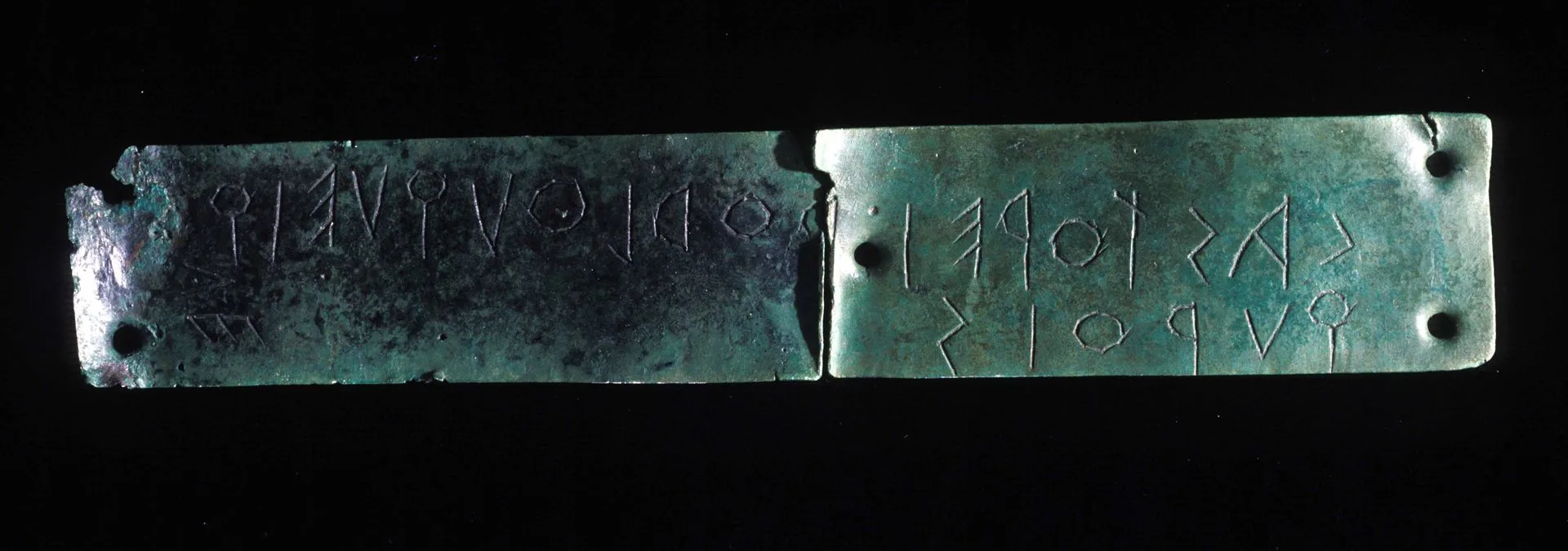
Dedication to the Dioscuri Baths of Diocletian
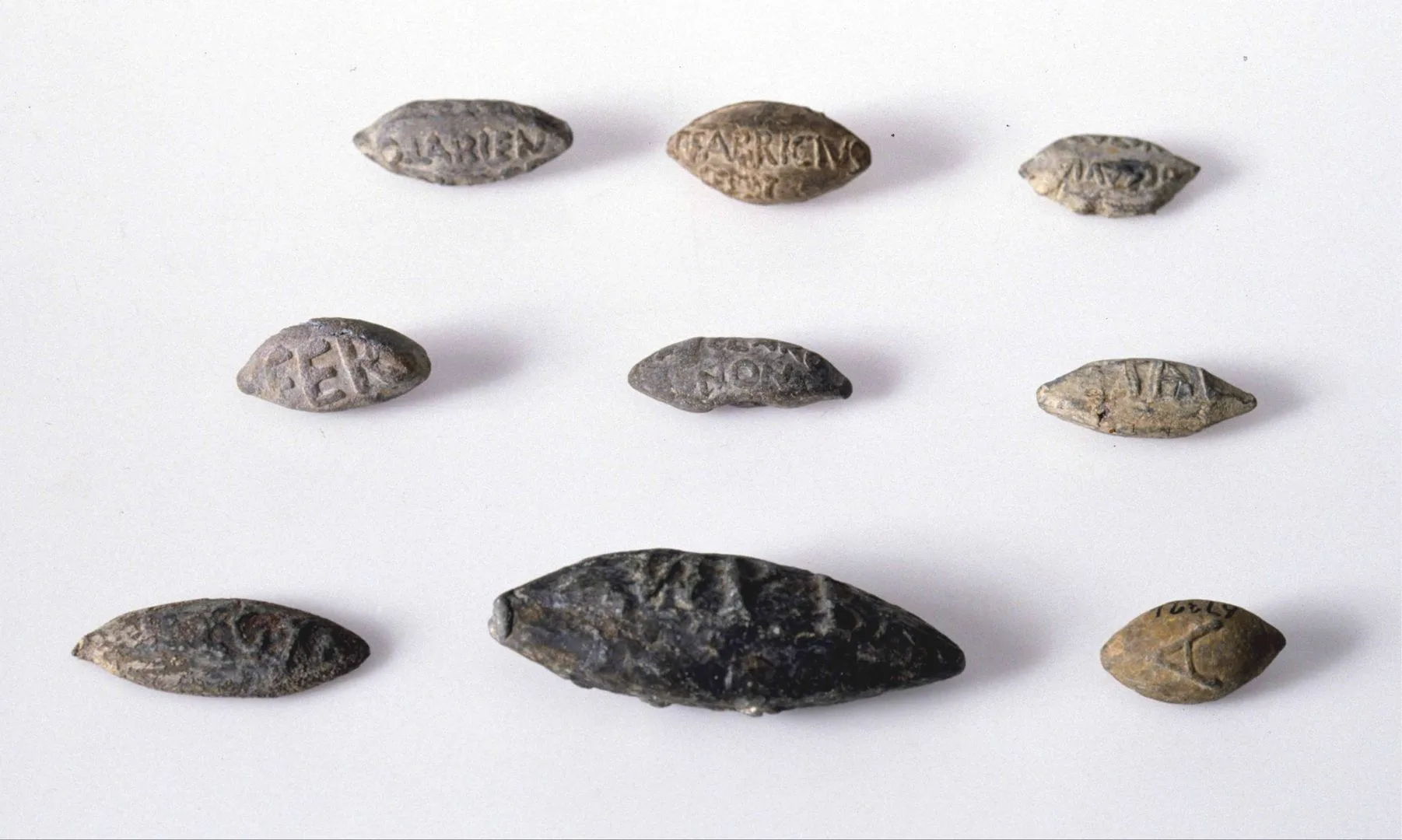
Inscribed slingshot projectiles Baths of Diocletian
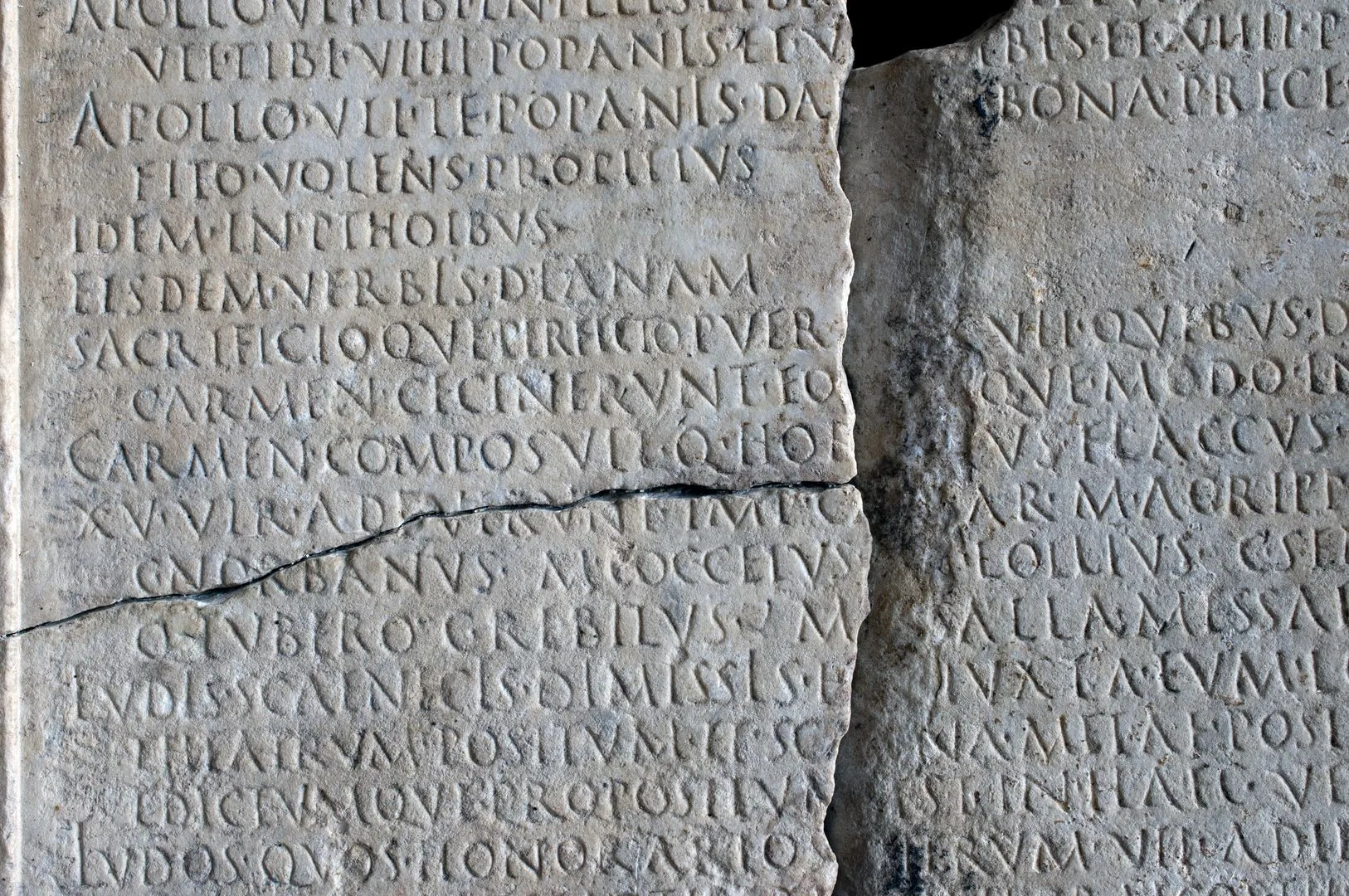
Pilaster of the Secular Games (Ludi Saeculares) from 17 BC with mention of the poet Horace Baths of Diocletian
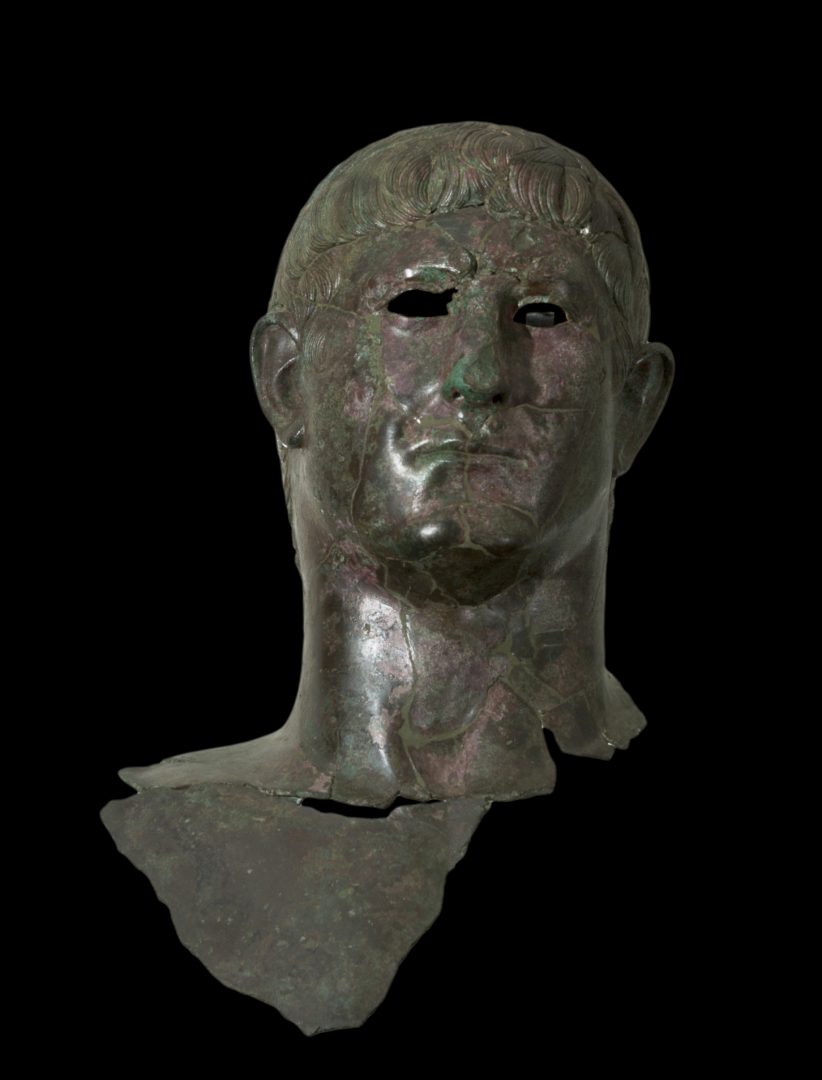
Bust of Lucius Cornelius Piso Baths of Diocletian
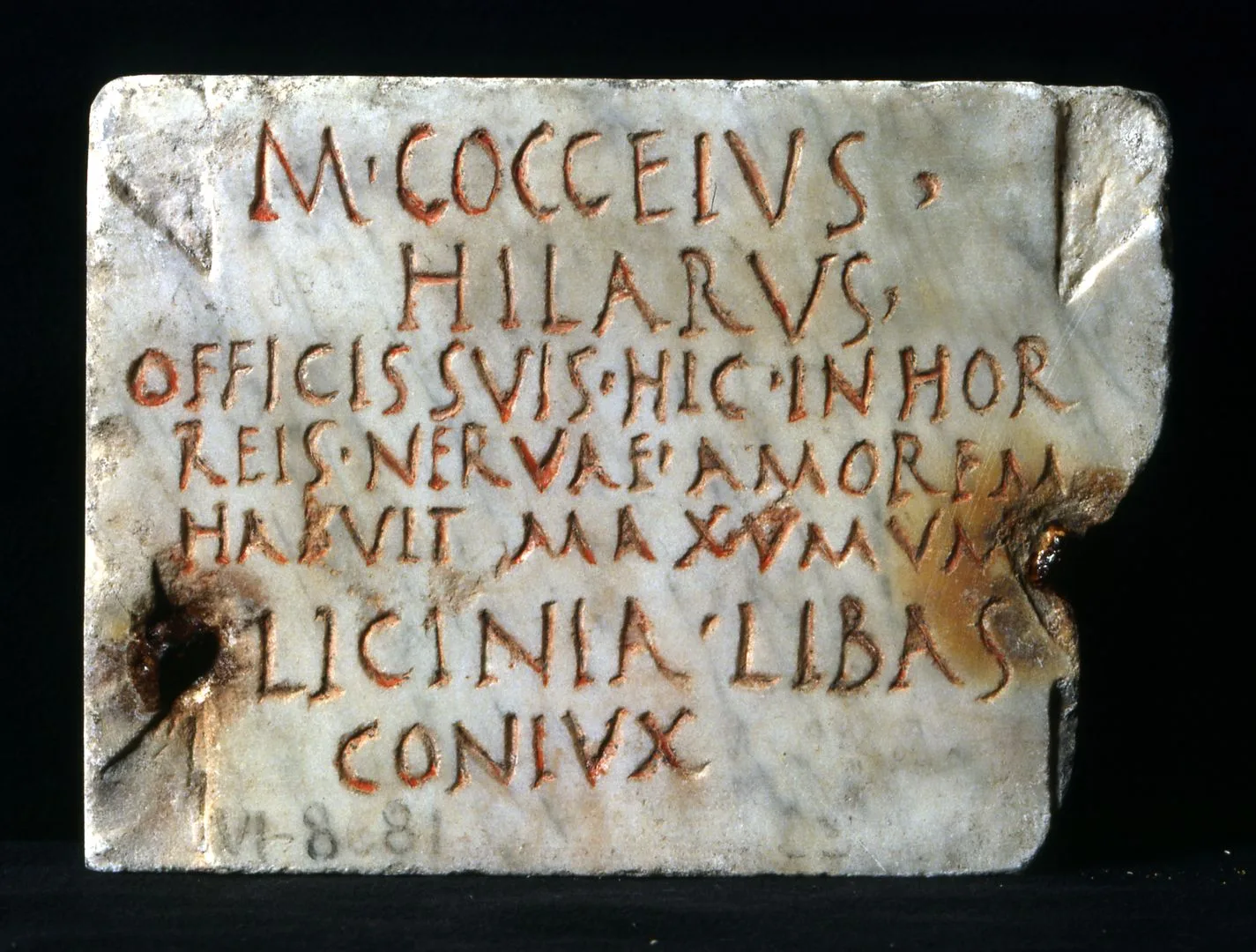
Tombstone inscription of Marcus Cocceius Hilarus, much loved by his peers Baths of Diocletian
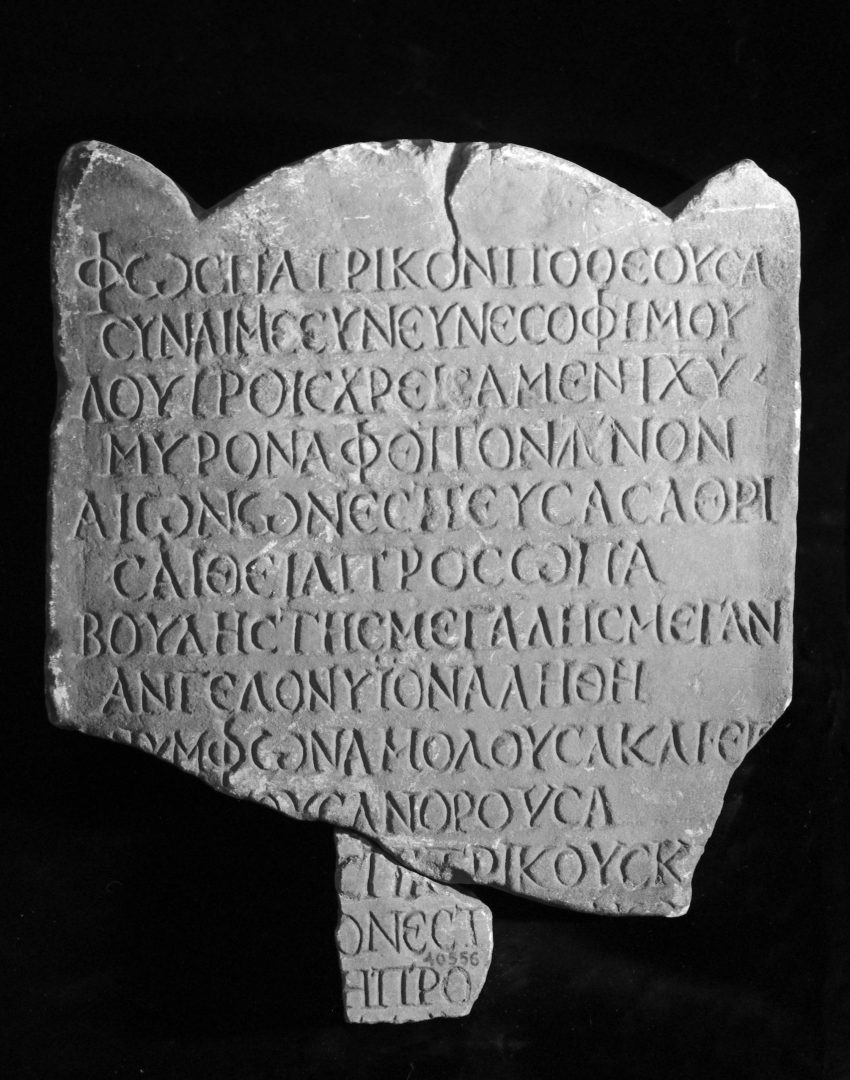
Tombstone inscription of Flavia Sophe Baths of Diocletian
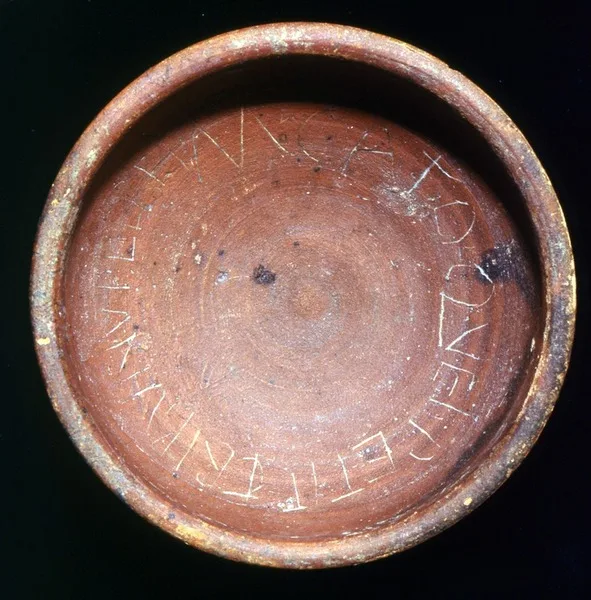
Small cup for the election (propaganda) of Cato Baths of Diocletian
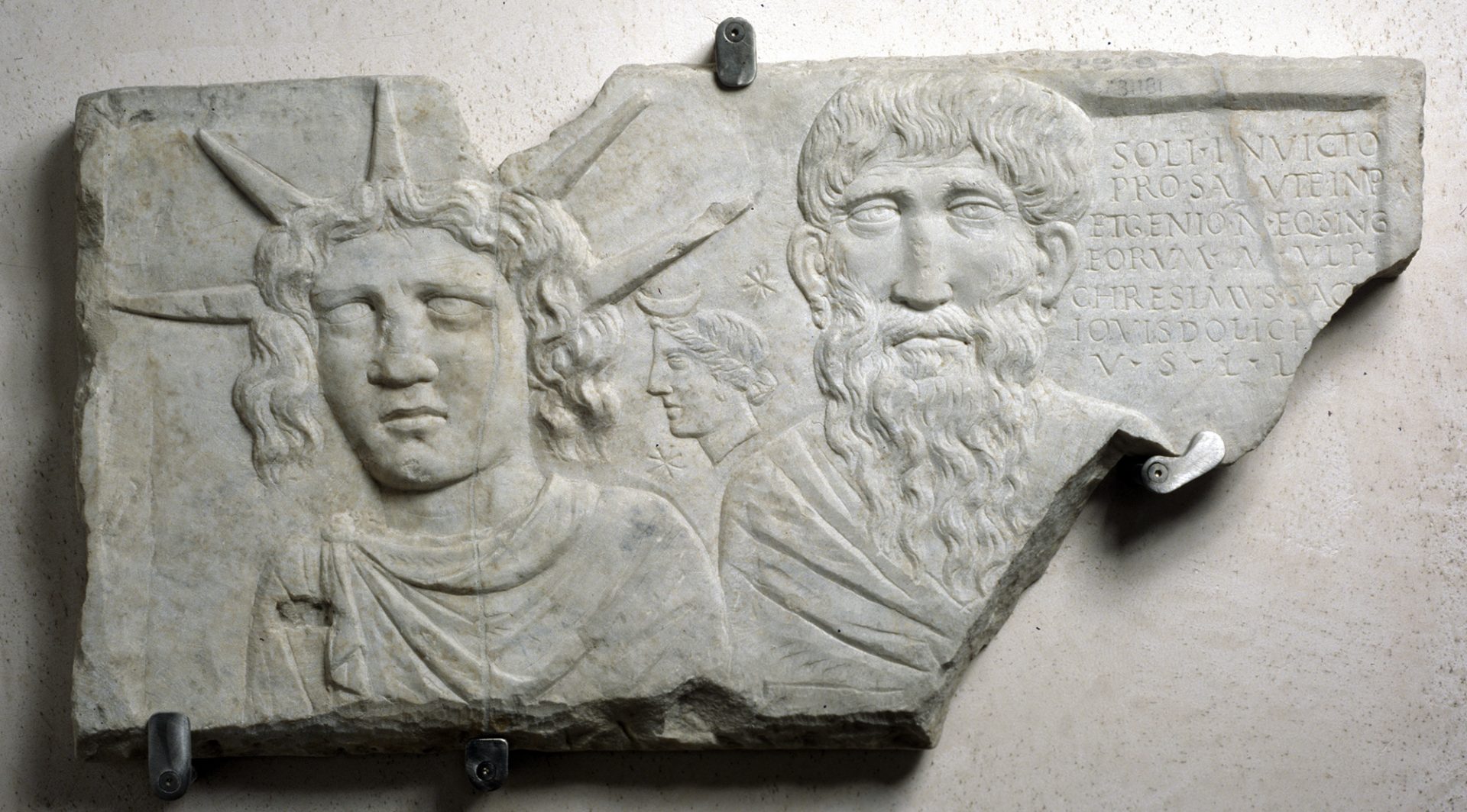
Dedication to Sol Invictus Baths of Diocletian
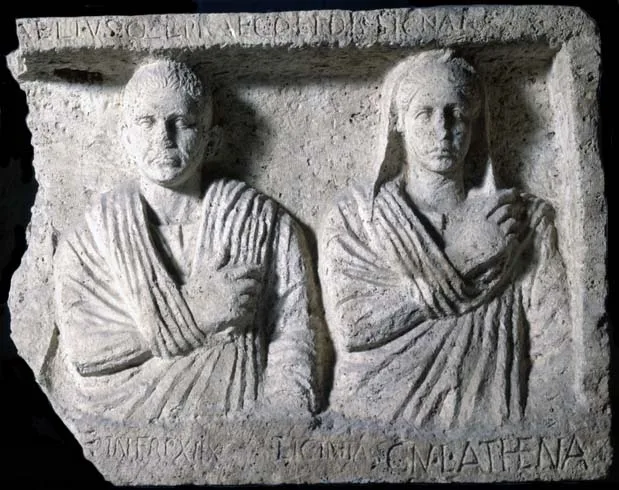
Bust for a family tomb Baths of Diocletian
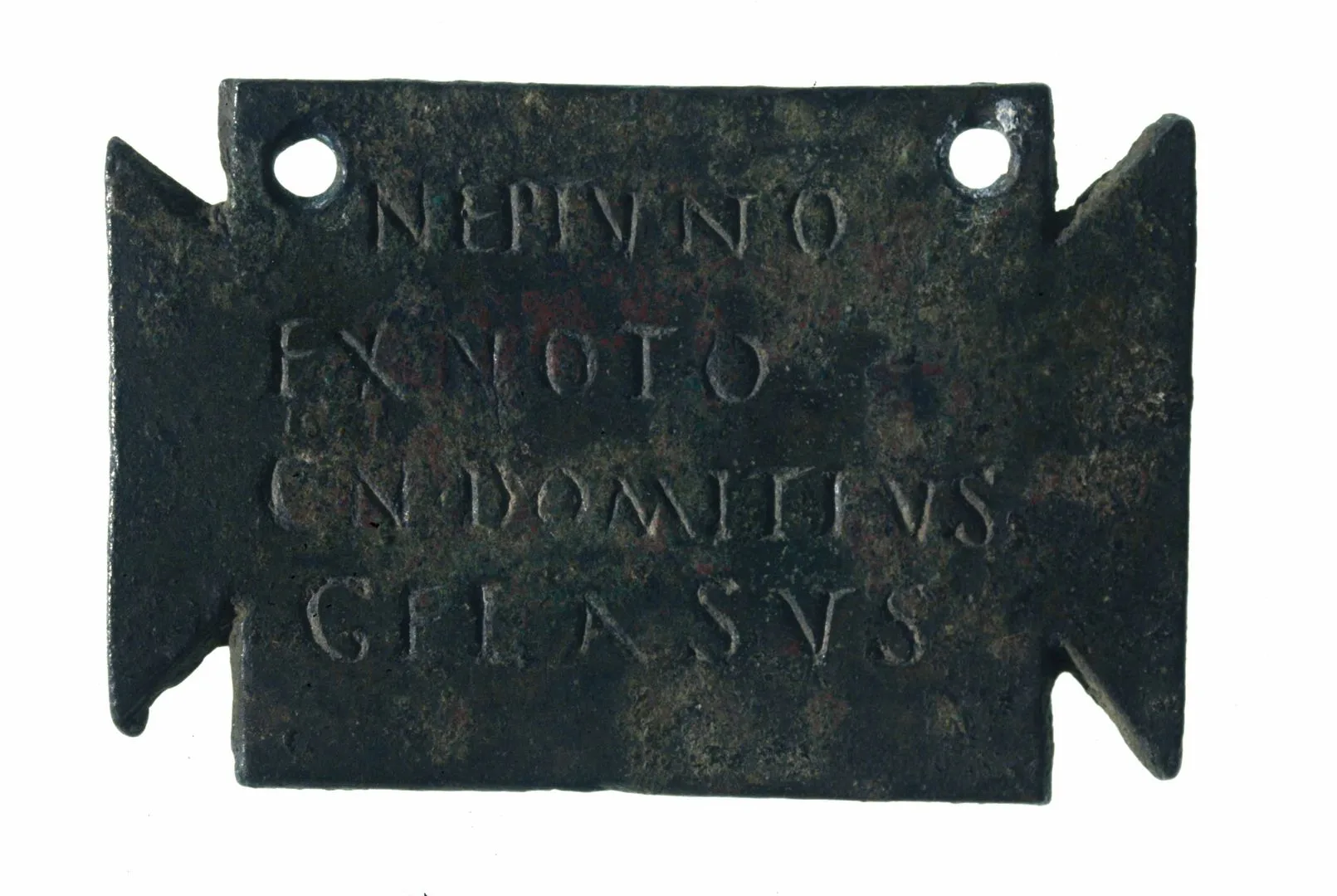
Dedication to Neptune Baths of Diocletian
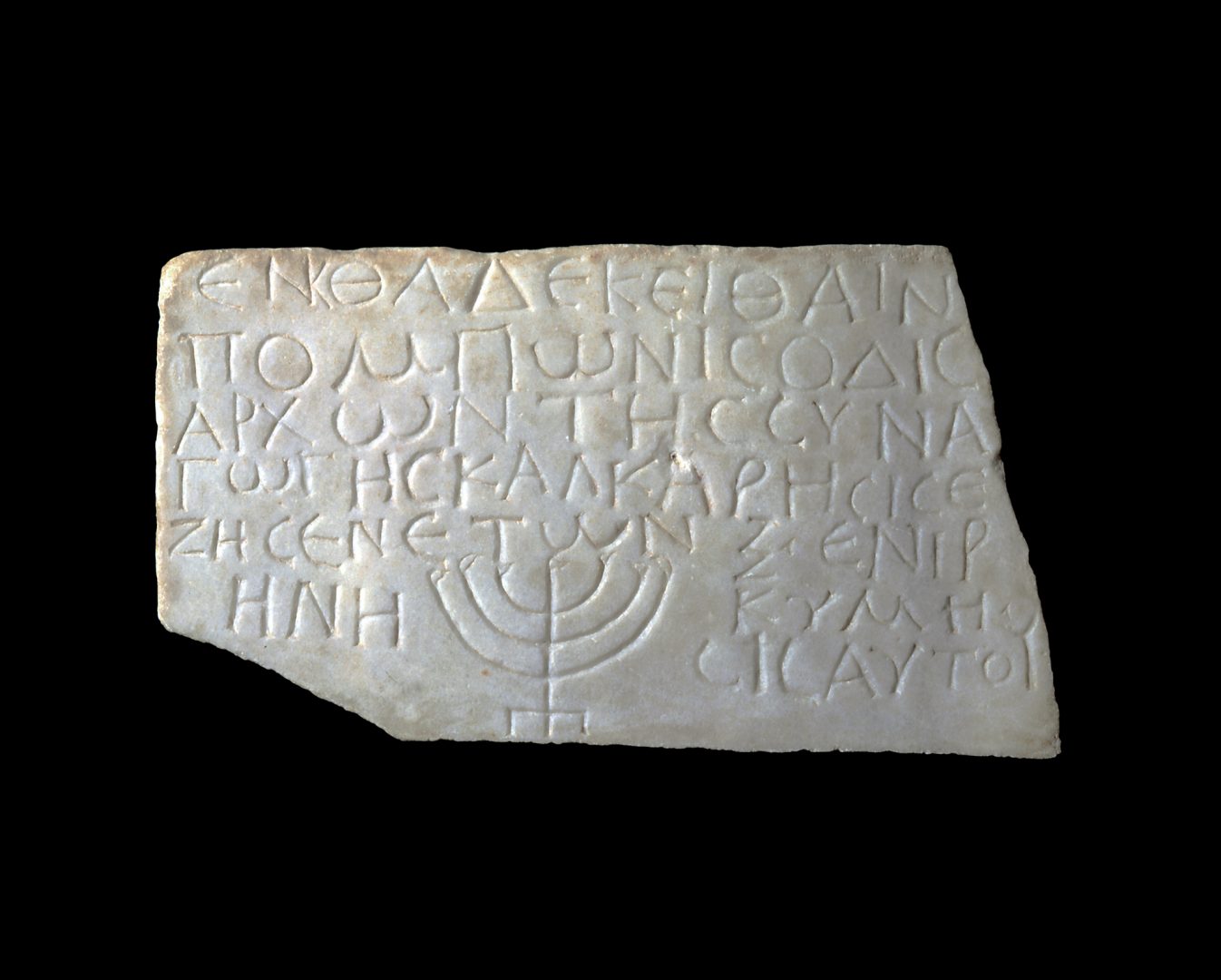
Tombstone inscription of Pomponius, twice archon of the Calcarenses synagogue, showing a menorah Baths of Diocletian
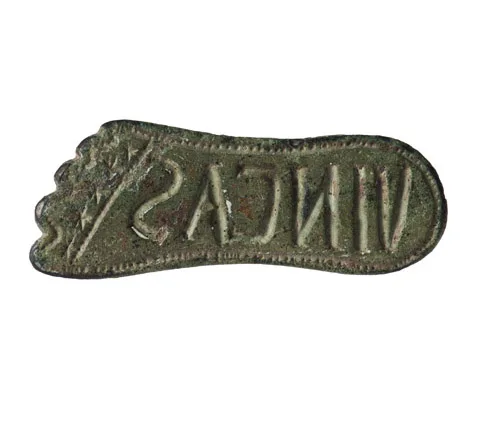
Foot-shaped seal Baths of Diocletian
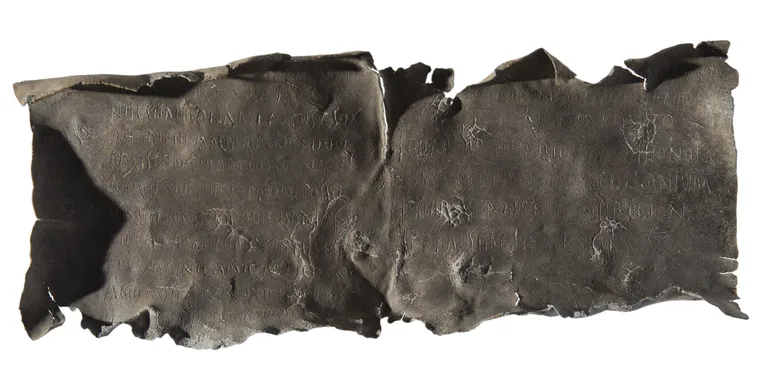
Curse against a Romantic Rival Baths of Diocletian
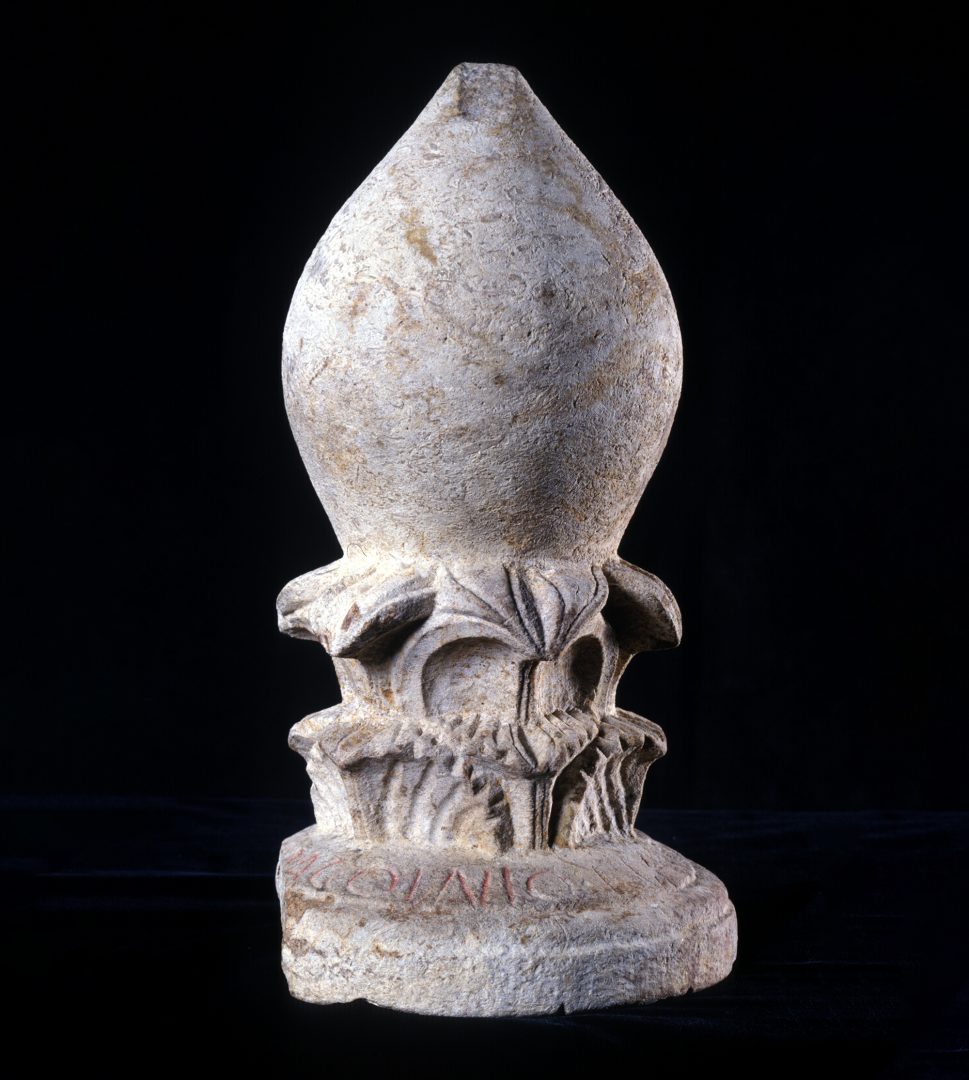
Pinecone-shaped funerary cippus Baths of Diocletian
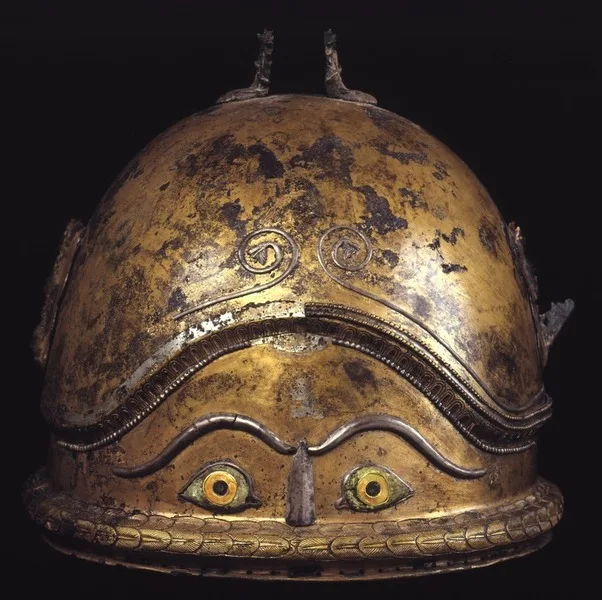
Helmet from the tomb of the Warrior of Lanuvium Baths of Diocletian