
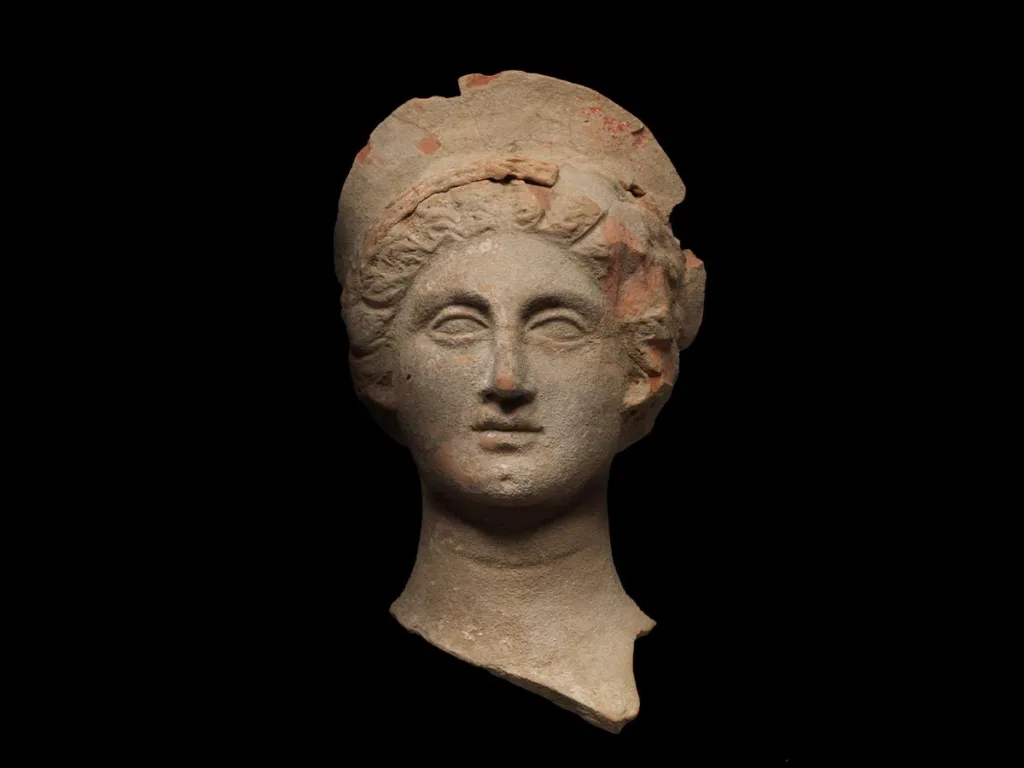
On 26 June 2025, the Museum of Rescued Art in the Octagonal Hall of the Baths of Diocletian will reopen to the public. The occasion for the reopening is a major exhibition entitled Nuovi recuperi (New Recoveries), curated by Sara Colantonio and Maria Angela Turchetti.
This new exhibition is the result of an agreement between the Carabinieri Command for the Protection of Cultural Heritage, the Department for the Promotion of Cultural Heritage and the National Roman Museum, and also involves the Department for the Protection of Cultural Heritage and, within it, the Central Institute for Restoration, in an institutional network that strengthens the link between protection, study and dissemination. To celebrate the reopening and encourage public access, admission to the Museum of Saved Art will be free until 31st of August.
The exhibition documents the most significant operations carried out by the TPC Command in the three-year period 2022-2025. Thanks also to the support of new technologies, such as the Database of Illegally Stolen Cultural Property and the S.W.O.A.D.S. system, based on artificial intelligence, the Carabinieri have recovered a growing number of works, returning them to the public heritage. The actions include judicial investigations, cultural diplomacy agreements and spontaneous restitutions by citizens and institutions.
The exhibition features, among the most important items, the polychrome Etruscan urns from Città della Pieve, accompanied by grave goods and a late Hellenistic bronze sculpture recently repatriated from Belgium, attributable to a Perugian context, comparable to the famous bronzes of San Casciano dei Bagni and closely related to another specimen recovered in 2007. Other significant items include painted slabs from Cerete dating back to the 6th-5th century BC, Greek and Etruscan bronze weapons, Etruscan and Roman bronze and silver tableware, Magna Graecian terracotta, Etruscan gold jewellery, marble theatre masks and votive bronze statuettes. There is also material from operations in third countries or crisis areas, such as Syria and Egypt, including faience amulets, votive figurines, seals, stone sculptures and Coptic fabrics, awaiting return.
An entire section is dedicated to spontaneous deliveries: objects returned by citizens aware of the historical and legal value of what they possess, demonstrating a growing sensitivity towards the protection of our common heritage.
The exhibition will be accompanied by a scientific catalogue published by Silvana Editoriale, with contributions from eminent scholars and specialists in the field and an original photographic campaign, which rigorously and sensitively captures the material characteristics and evocative value of the exhibits on display.
Discover the works on display at this link