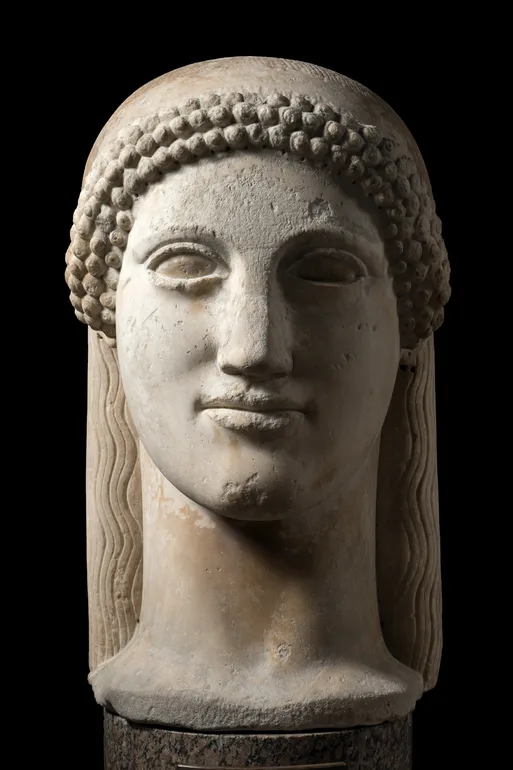
Ludovisi Acrolith Palazzo Altemps

The most celebrated of the three collections of ancient sculpture displayed in the museum is the Boncompagni Ludovisi marble collection, acquired between 1621 and 1623 by Cardinal Ludovico Ludovisi for his villa on the Quirinal Hill. Alongside the sculptures in the 17th-century collection, the piece that is probably the most famous is the Ludovisi Throne, recovered in 1887 during the urban development works undertaken in the area surrounding the villa. In 1901, the Italian Government acquired 104 sculptures from the Boncompagni Ludovisi family, and these were exhibited for a lengthy period in the Small Cloister of the Charterhouse in the Museum of the Baths of Diocletian. They were then transferred to the Palazzo Altemps, a setting where they can be shown to maximum advantage, integrated into the elegant rooms of the stately mansion.
Ludovisi Acrolith Palazzo Altemps
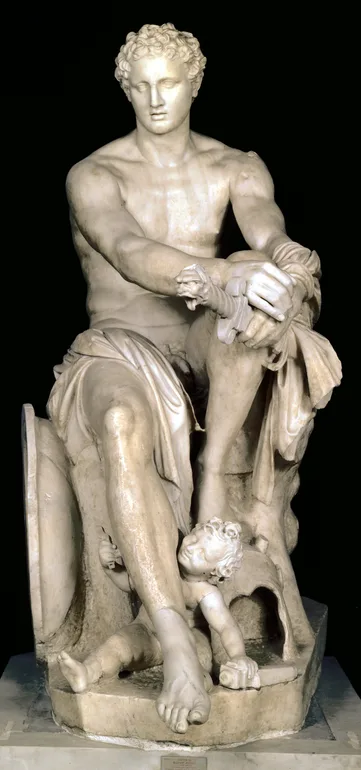
Statue of Ares Palazzo Altemps
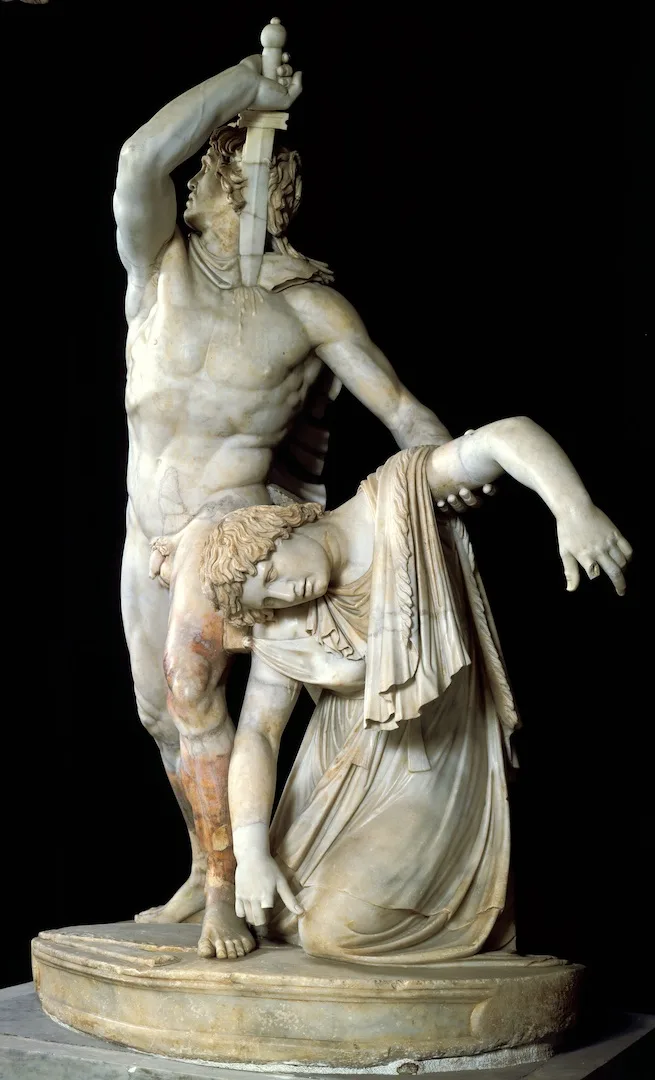
Ludovisi Gaul (Galatian Suicide) Palazzo Altemps
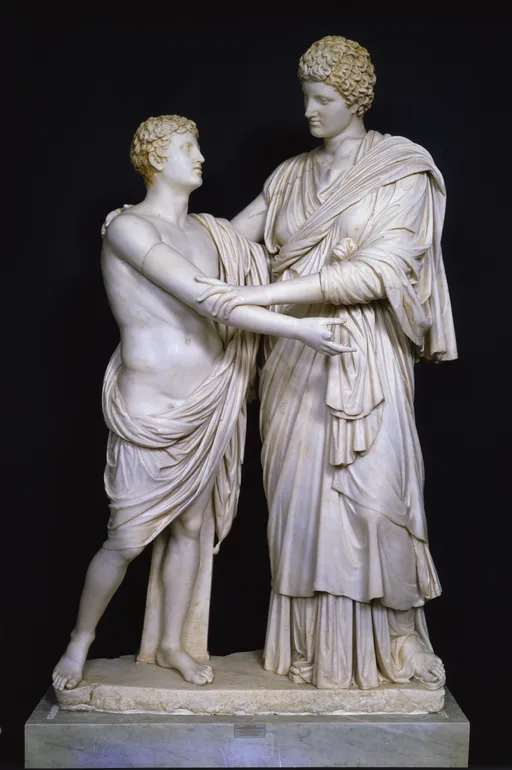
Statue of Orestes and Electra Palazzo Altemps
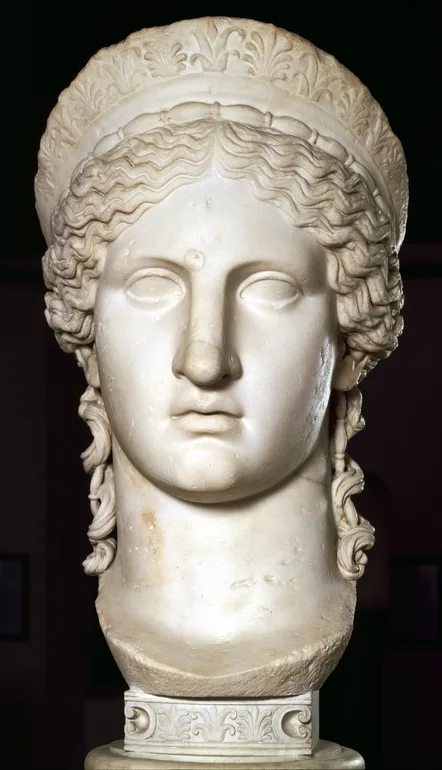
Juno Ludovisi Palazzo Altemps
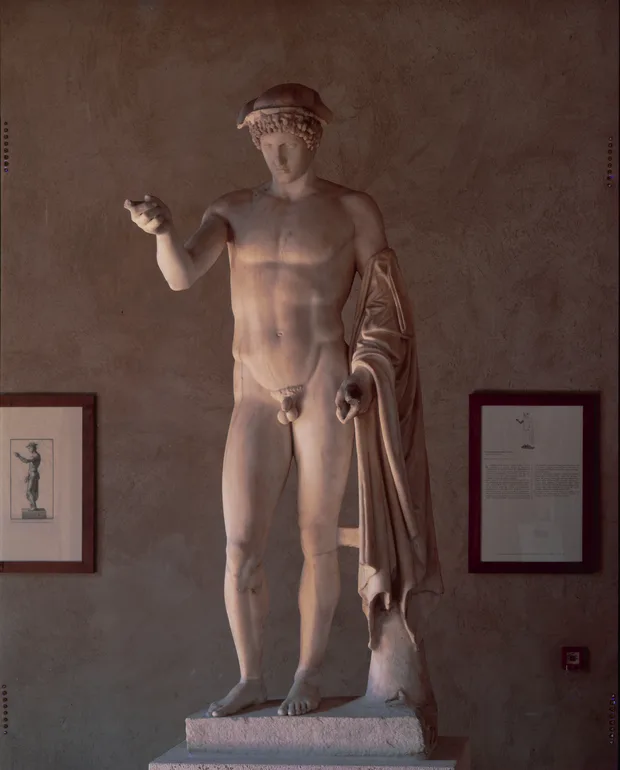
Statue of Hermes Loghios (Ludovisi Hermes) Palazzo Altemps
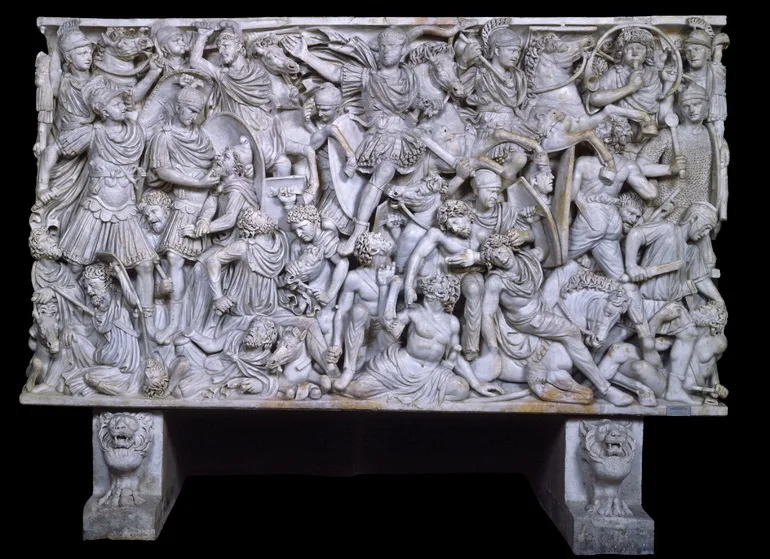
Colossal sarcophagus depicting battle scenes between Romans and Barbarians (the Great Ludovisi Sarcophagus) Palazzo Altemps
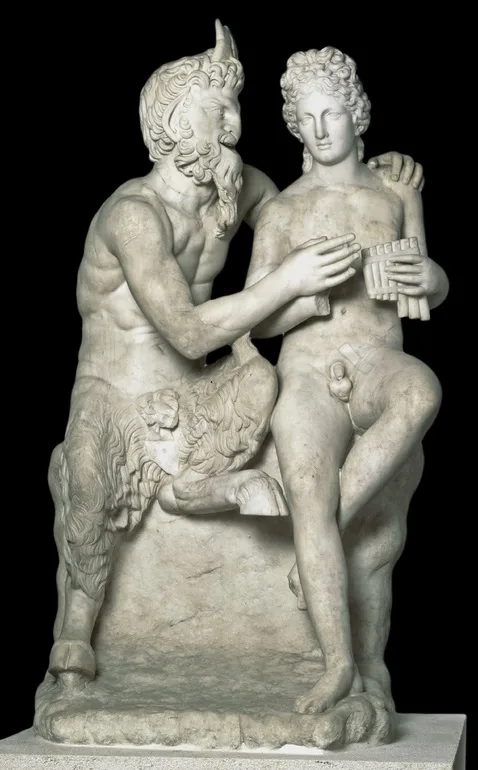
Statue of Pan and Daphnis Palazzo Altemps
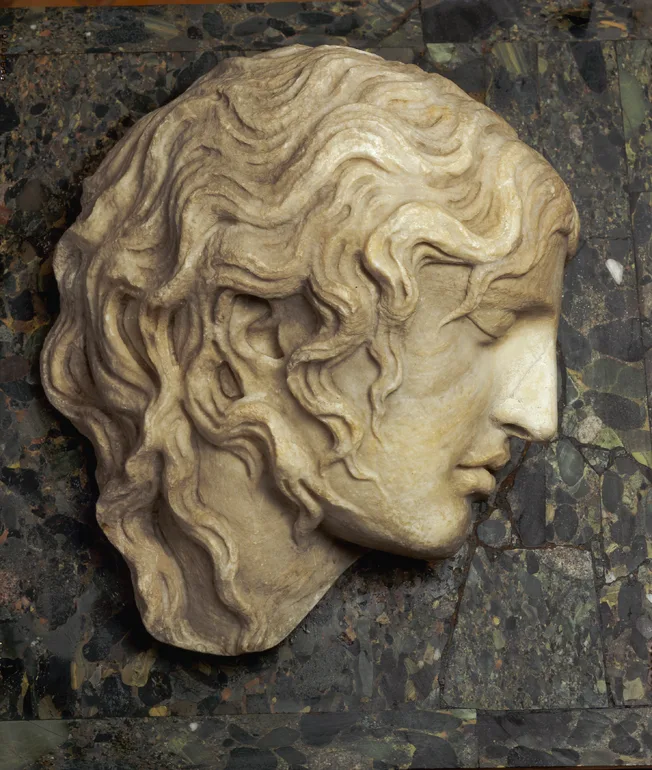
Sleeping Fury (Ludovisi Fury) Palazzo Altemps
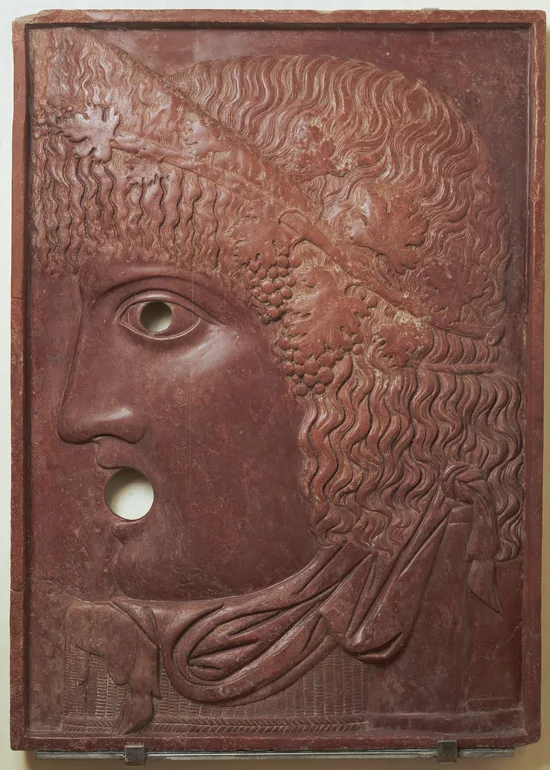
Bas-relief with mask Palazzo Altemps
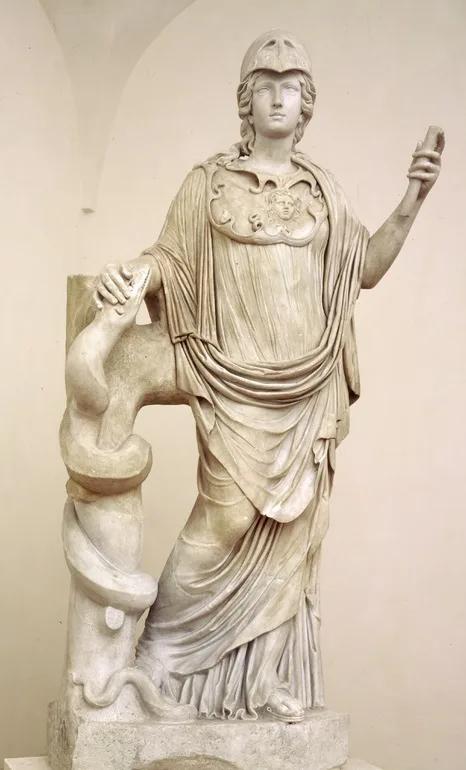
Statue of Athena with snake Palazzo Altemps
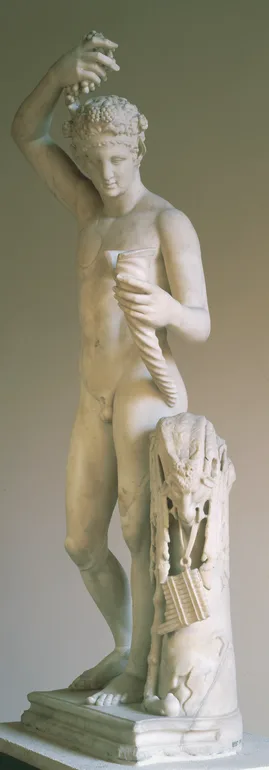
Statue of the Pouring Satyr Palazzo Altemps
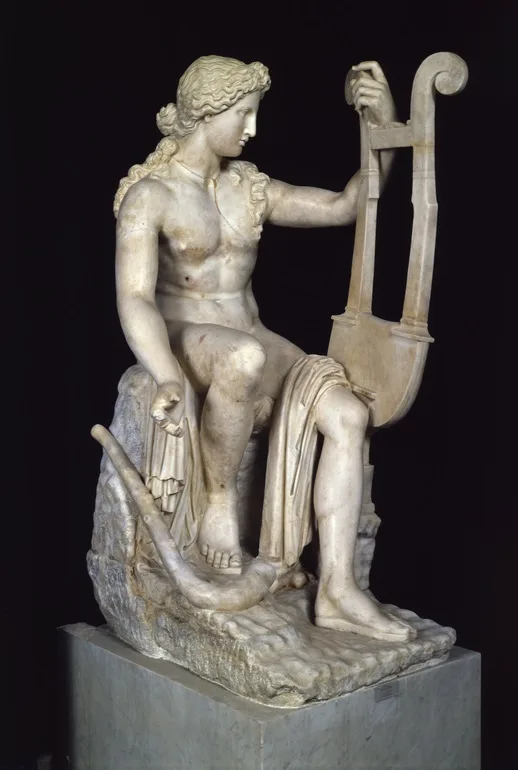
Statue of Apollo with cithara Palazzo Altemps
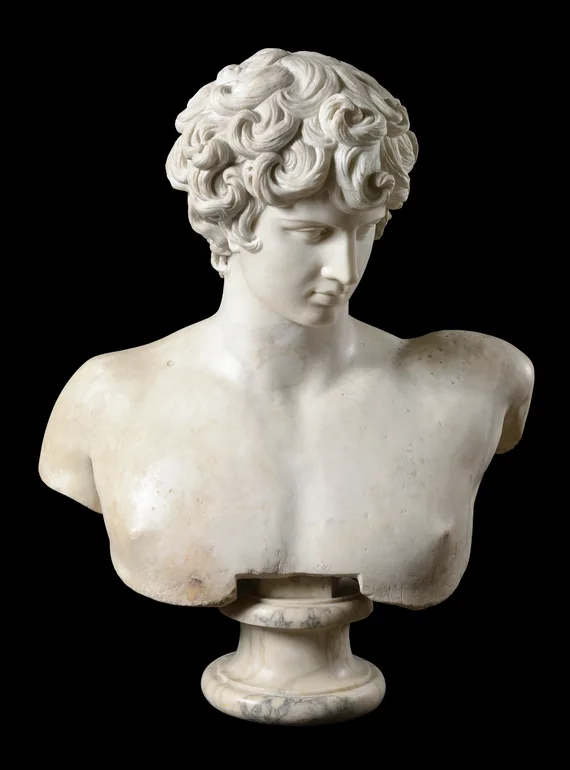
Bust of Antinous Palazzo Altemps
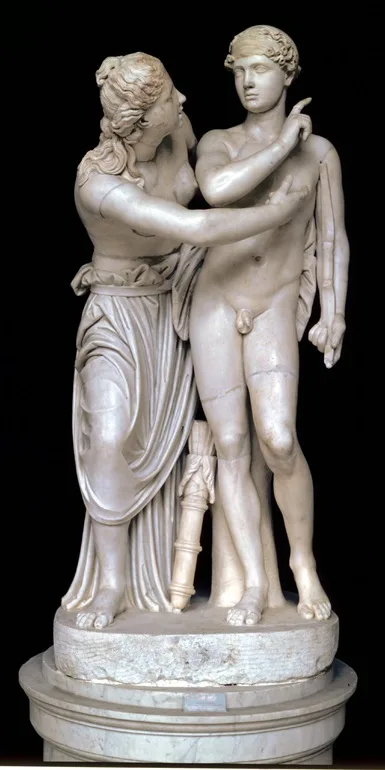
Statue of Cupid and Psyche Palazzo Altemps
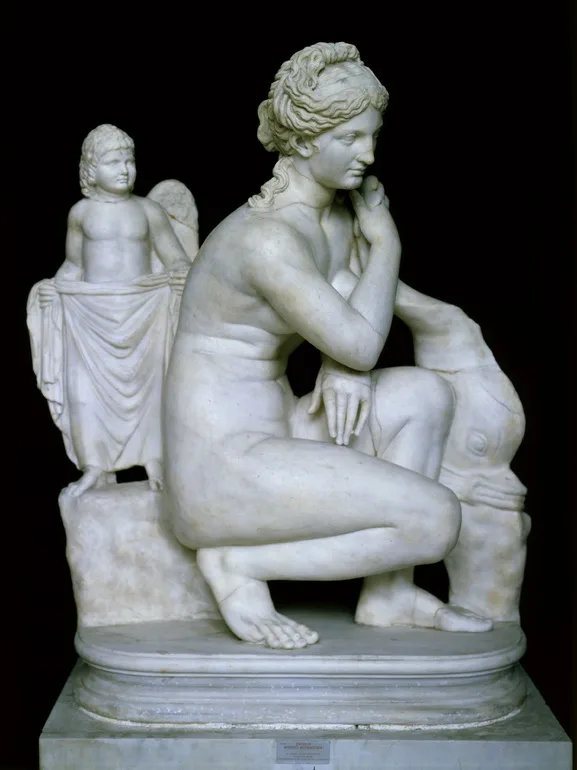
Statue of crouching Aphrodite with dolphin Palazzo Altemps
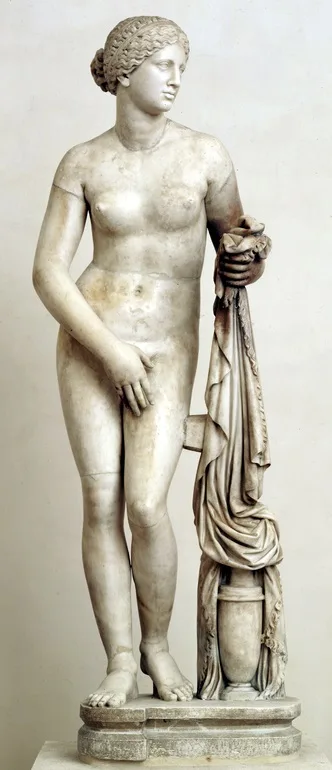
Statue of Aphrodite Cnidia Palazzo Altemps
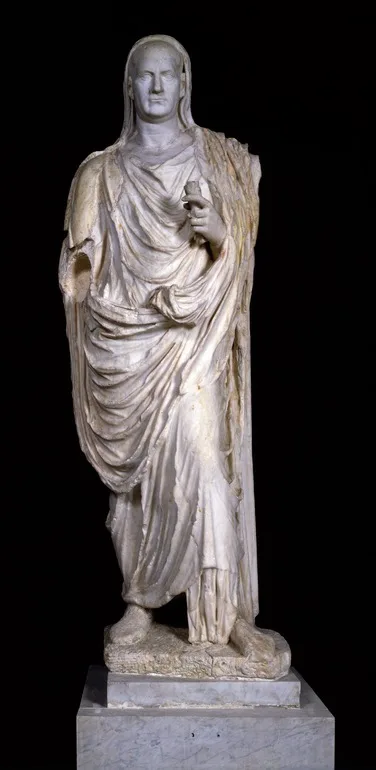
Statue of a togatus Palazzo Altemps
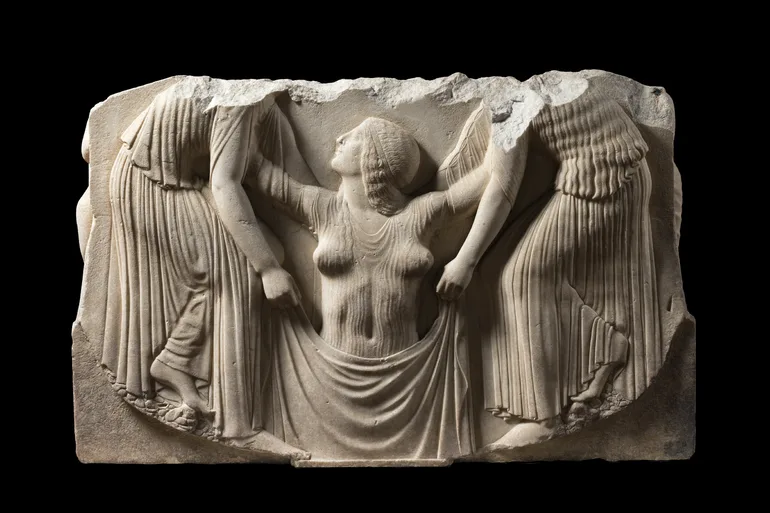
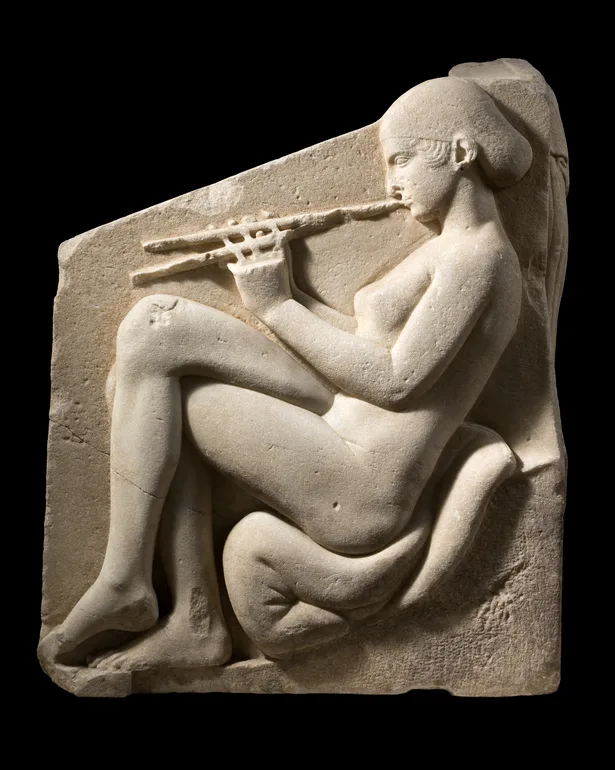
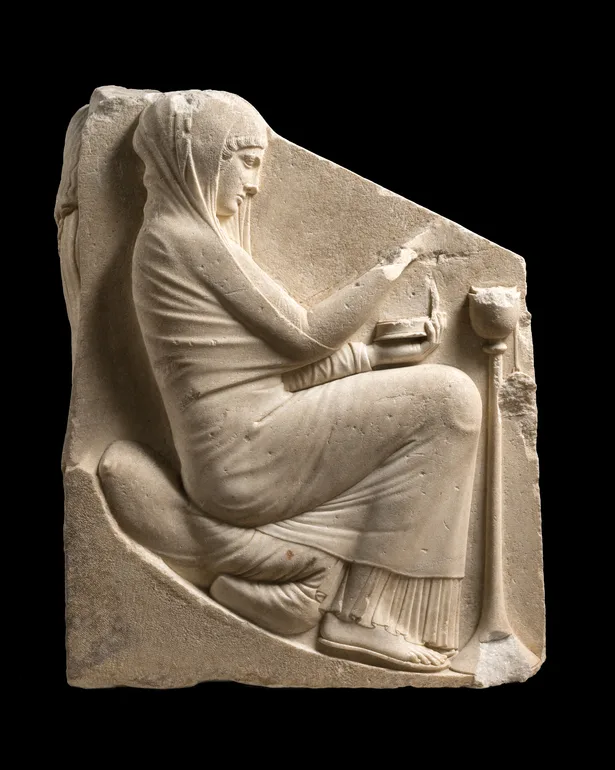
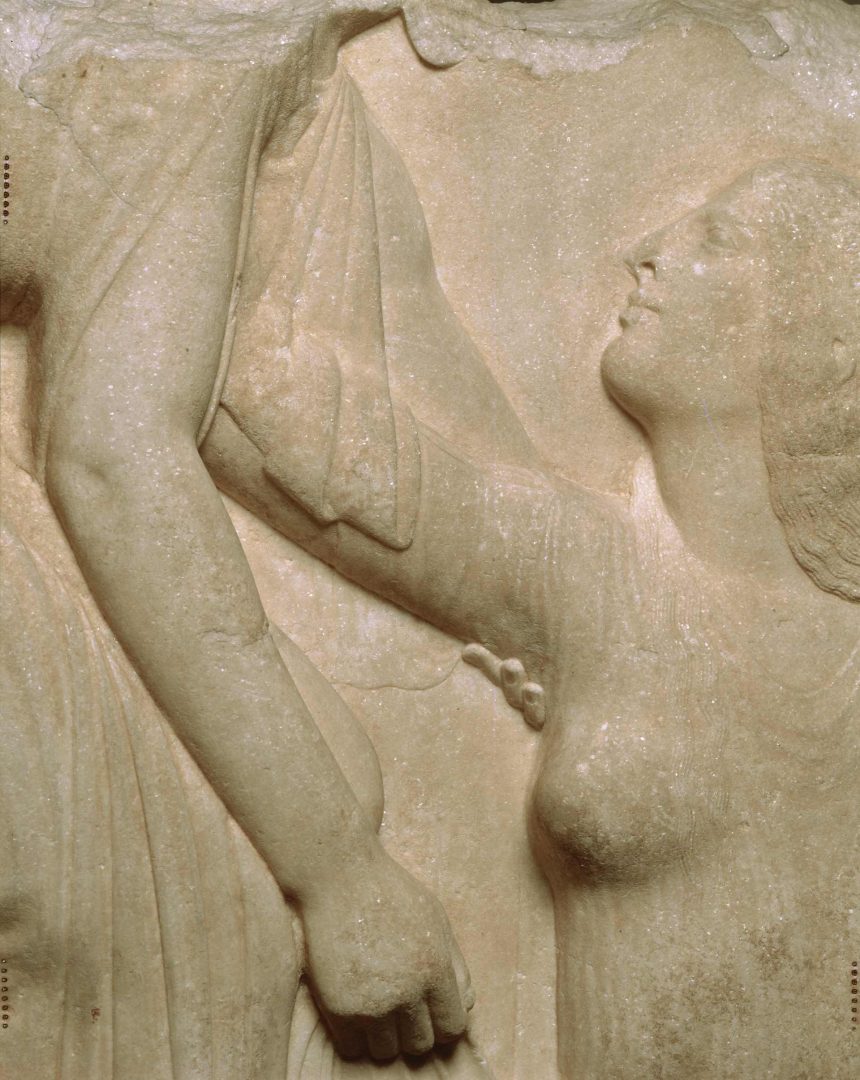
The three-sided relief, carved from a single block of white marble from the Greek island of Thasos, frontally depicts the birth of Aphrodite from the sea foam supported by two female figures of Horai, divinities of nature and seasons, dressed in a peplum (to the left) and a chiton (to the right). On the right side a young nude woman plays the double flute and on the left side a cloaked and veiled woman puts grains of incense in an incense burner. Both figures, seated on a folded cushion resting on a seat, have been interpreted as priestesses of the cult of Aphrodite.
The name “throne” was attributed at the time of the discovery in 1887 in Rome in the area of the Villa Ludovisi. Considered to be the throne of a divinity or the enclosure of a colossal cult statue or a stair balustrade, the work has also been referred to as the crowning of an altar or a base on which, on special occasions, the simulacrum of the divinity could be placed.
The stylistic analysis of the relief and the comparisons with terracotta votive plaques from Magna Graecia date to the period 460-450 B.C. the sculpture, perhaps coming from the sanctuary of Aphrodite in Lokri Epizefiri, on the Ionian coast of Calabria, or, according to another hypothesis, from the Sicilian sanctuary of Aphrodite in Erice. Its presence in Rome was in fact connected to the republican temple of Venus Erycina located just outside an urban gate, Porta Collina, later incorporated into the Horti (gardens) of Julius Caesar.