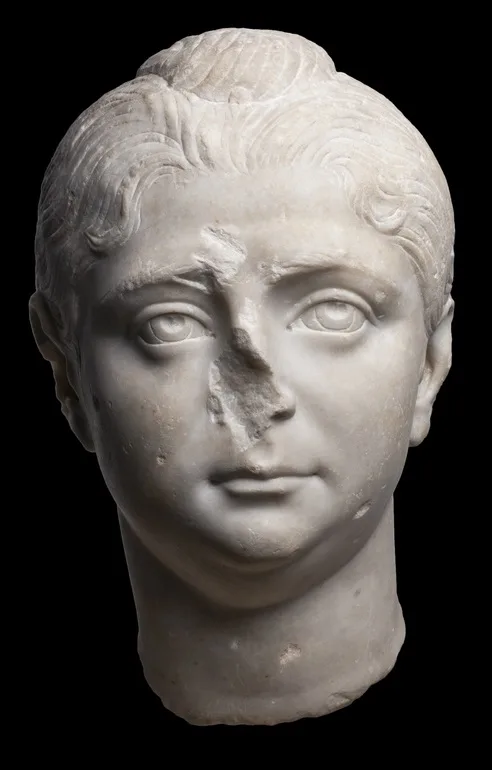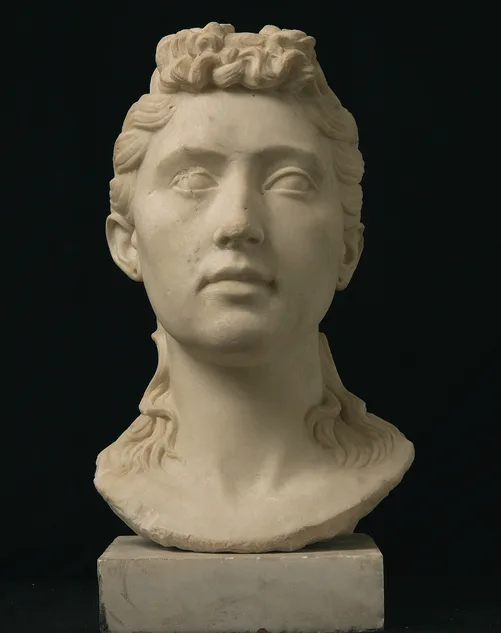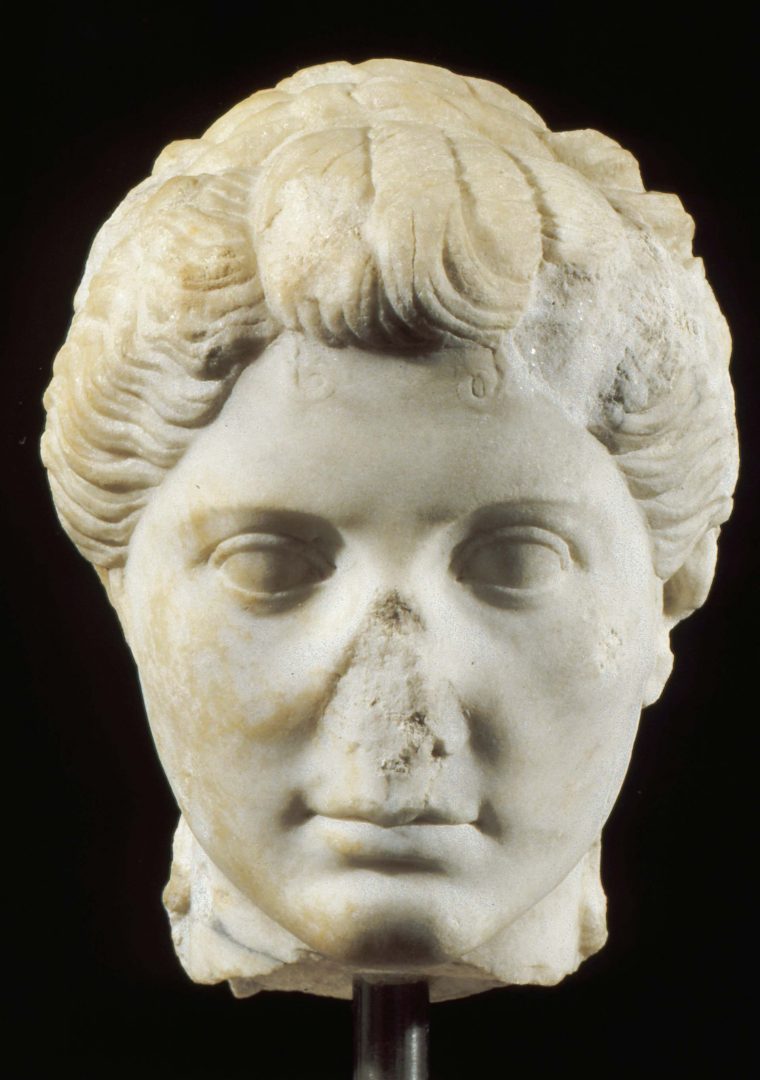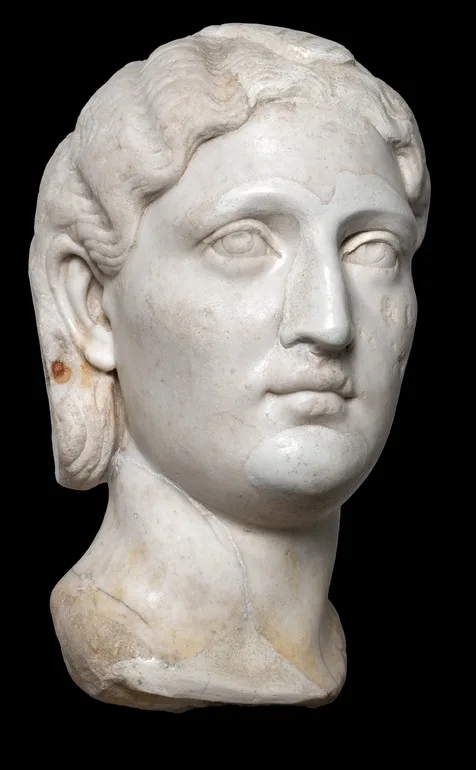
Female bust Palazzo Massimo

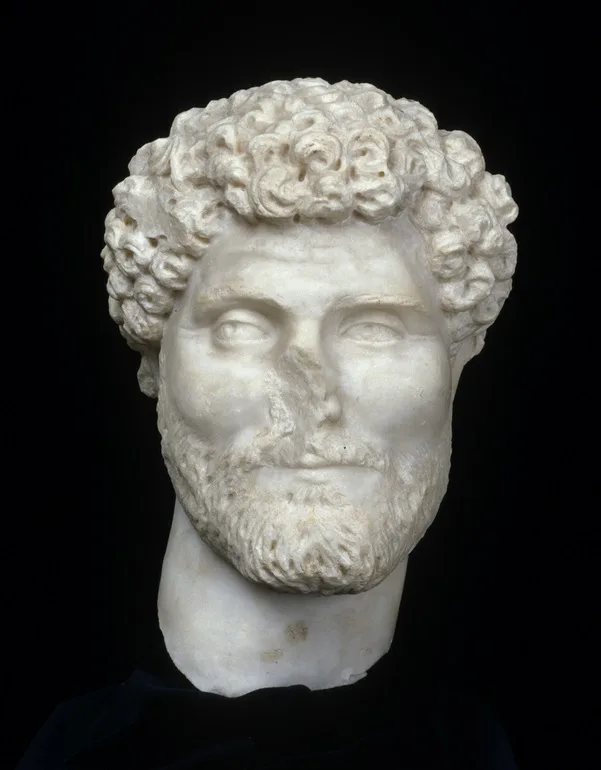
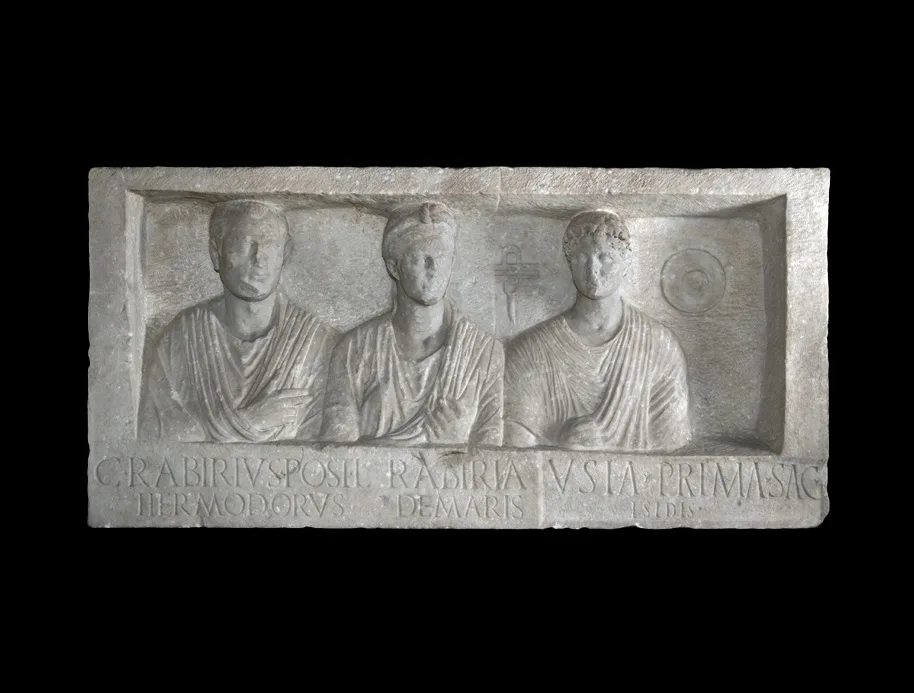
Almost like one of the family galleries in Roman houses that provided a link between the younger members and their ancestors, perpetuating memory and family values, many rooms in the Palazzo Massimo are dedicated to the faces of men and women, often without names, for whom memorials were created in marble. These faces show the various ways that portraits were conceived, from highly idealised examples following the Greek model to Roman faces so realistic they show the origins of the wax funeral masks customarily used on the faces of the dead.
Travertine and marble were the materials used to memorialise the men and women within Roman society.

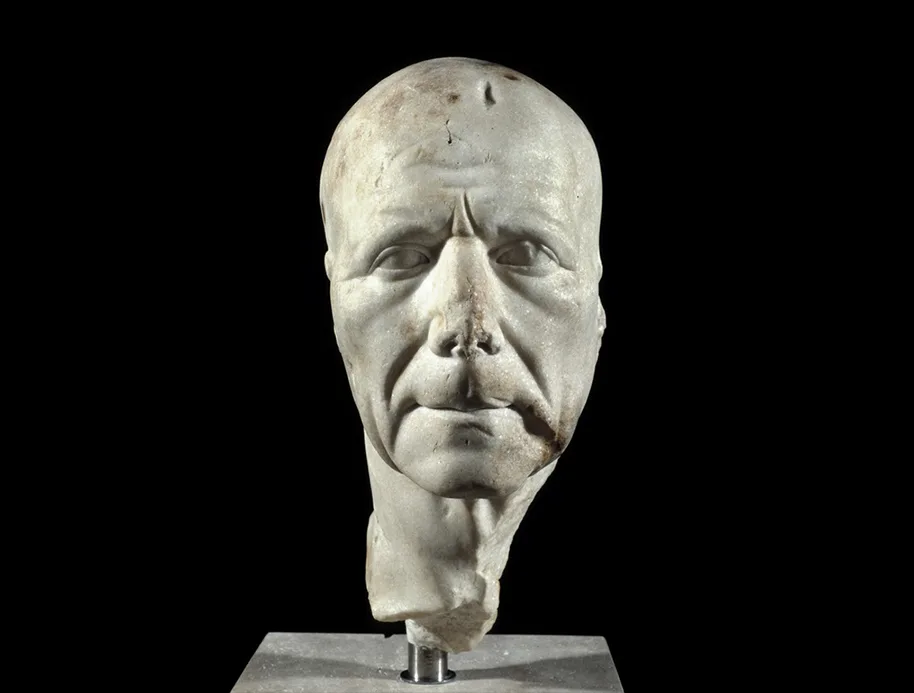
A gaze into the distance, mouth slightly open, three-quarter face and an inspired expression: this was how many members of the Roman aristocracy were painted, drawing on the Greek models.
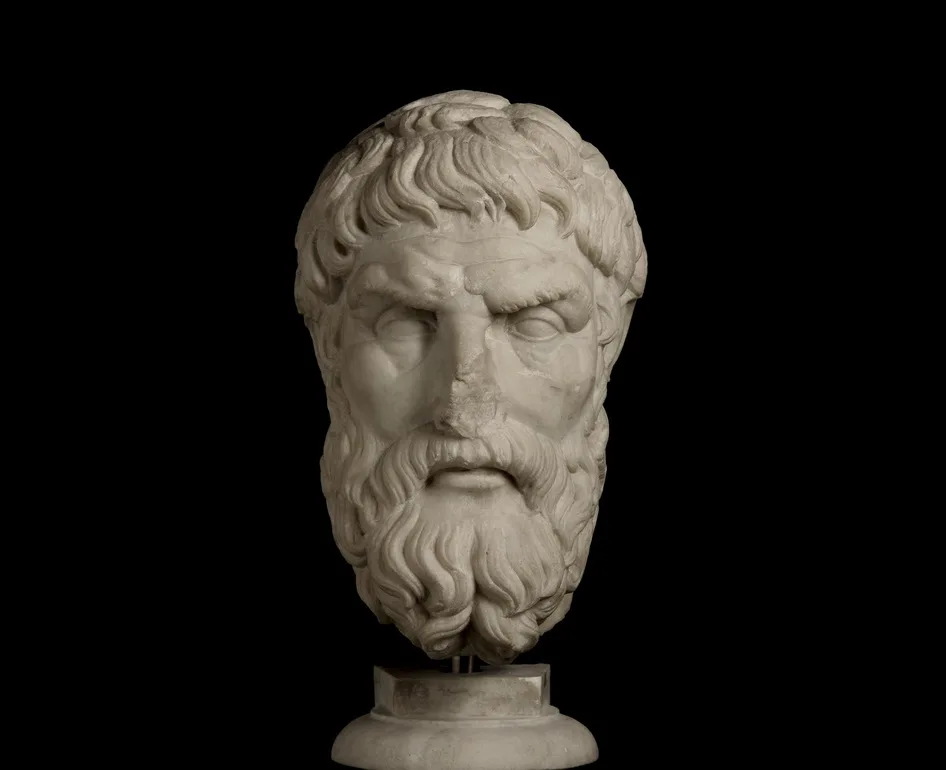
Mature men with thick beards and stern expressions: the image of the philosopher throughout the ancient world.
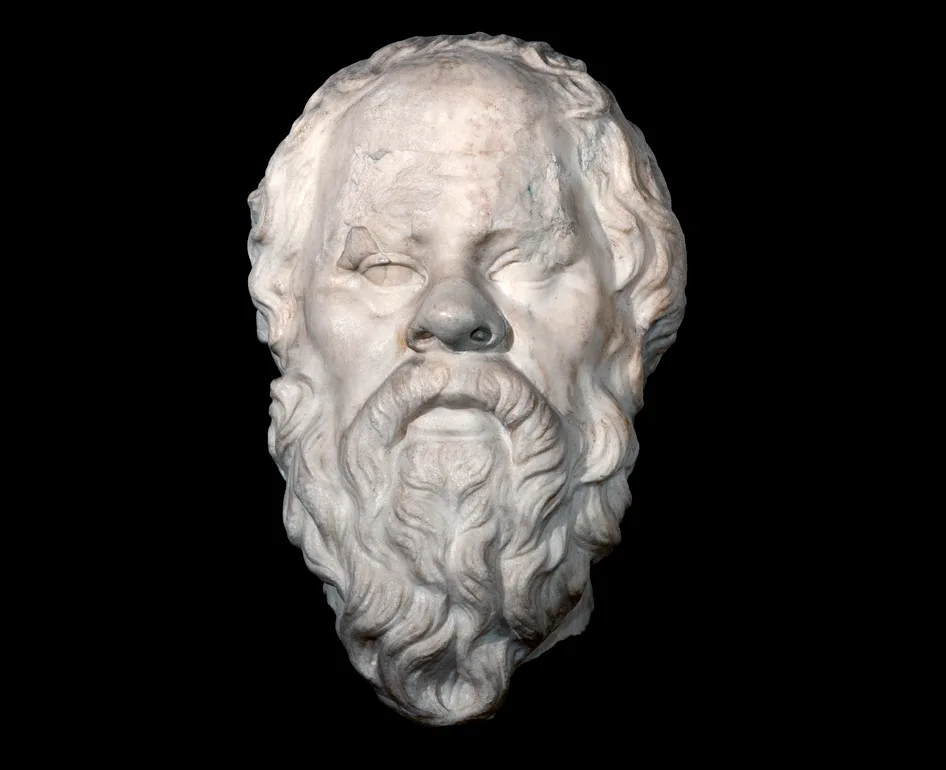
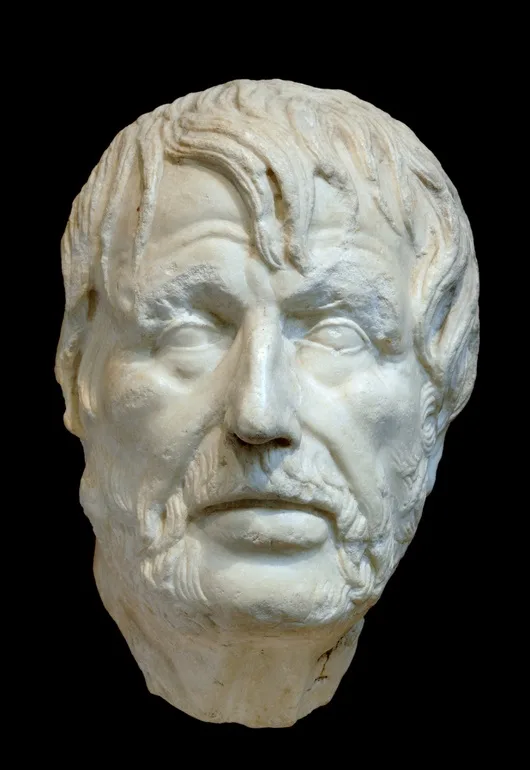
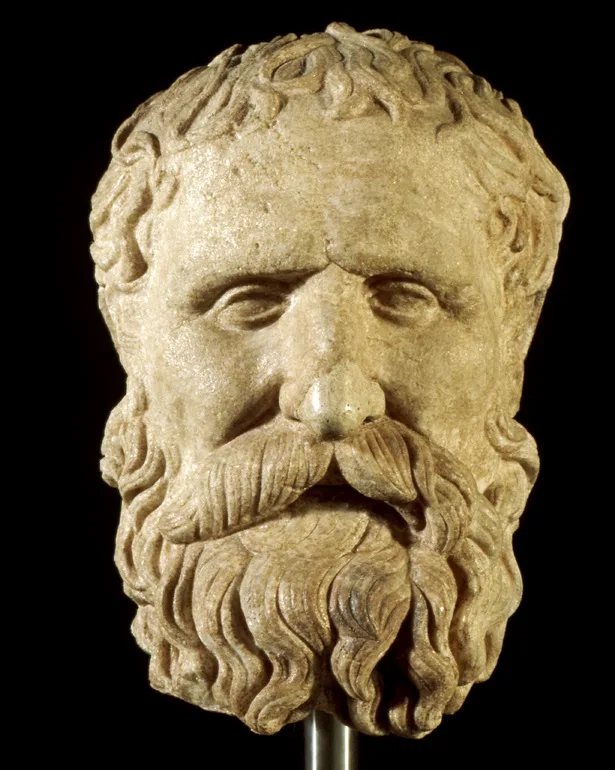
The birth of the Empire created a new trend in portraiture, that of emperors: the need for an official image, and a celebration of that image, resembling the realistic, private image.
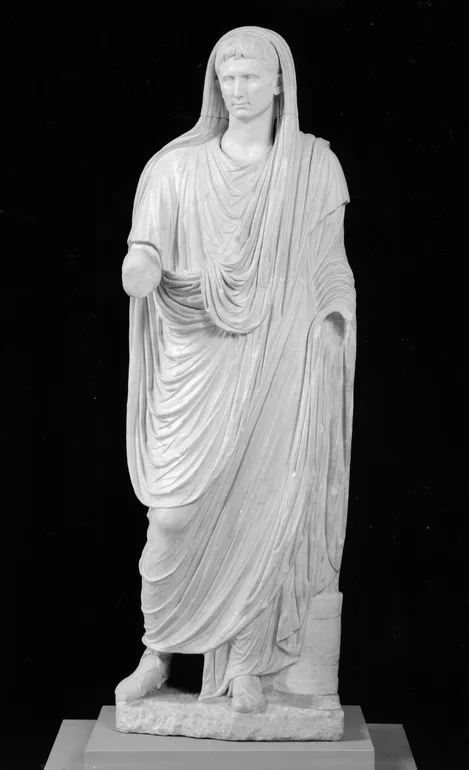
Statue of Augustus as Pontifex Maximus Palazzo Massimo
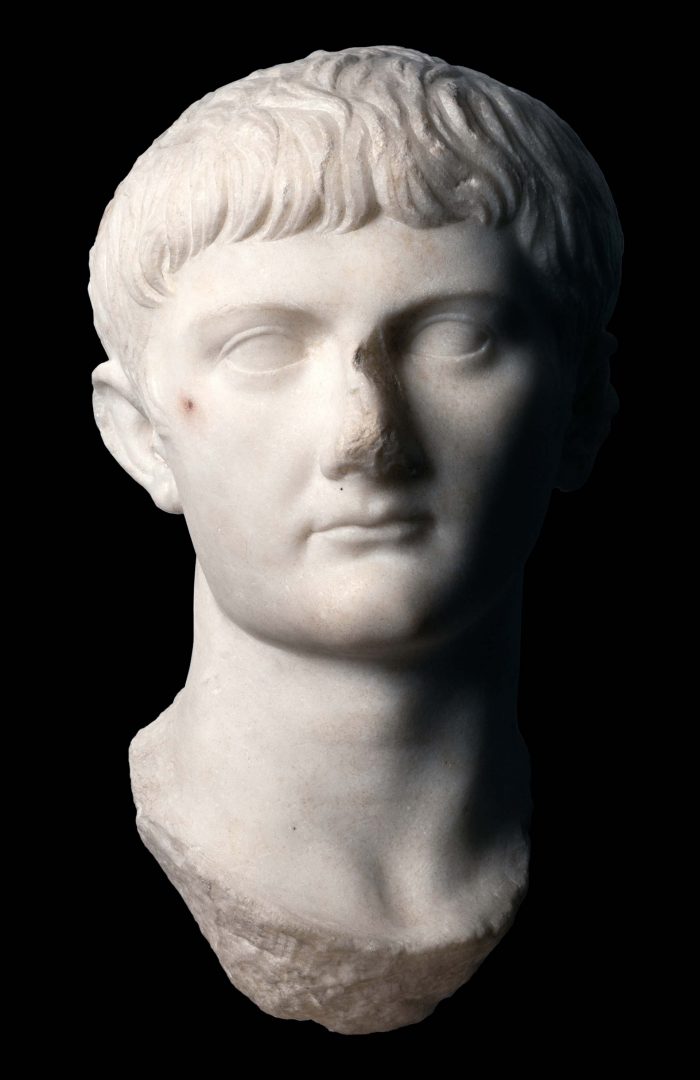
Bust of Germanicus Julius Caesar Palazzo Massimo
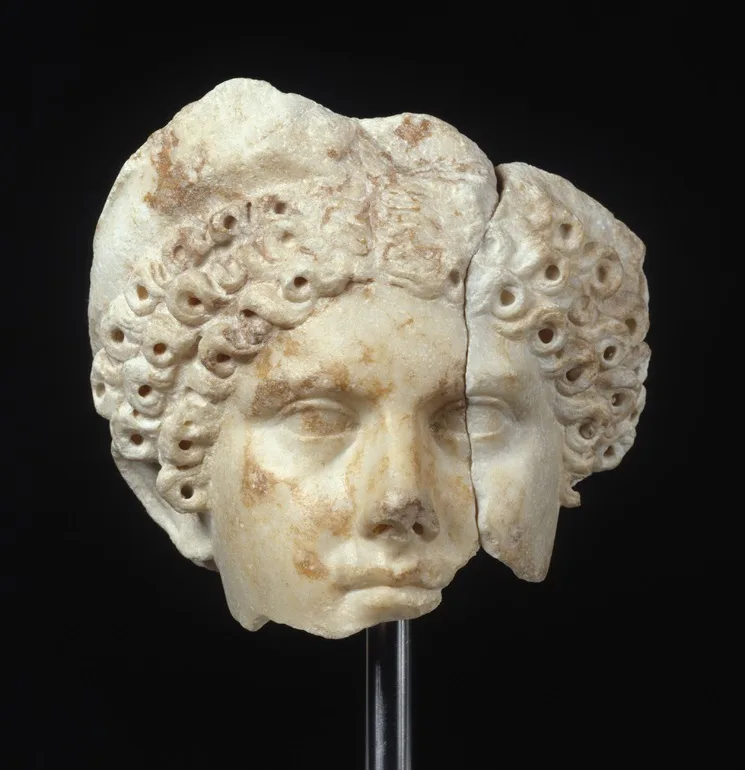
Bust of Agrippina the Younger Palazzo Massimo
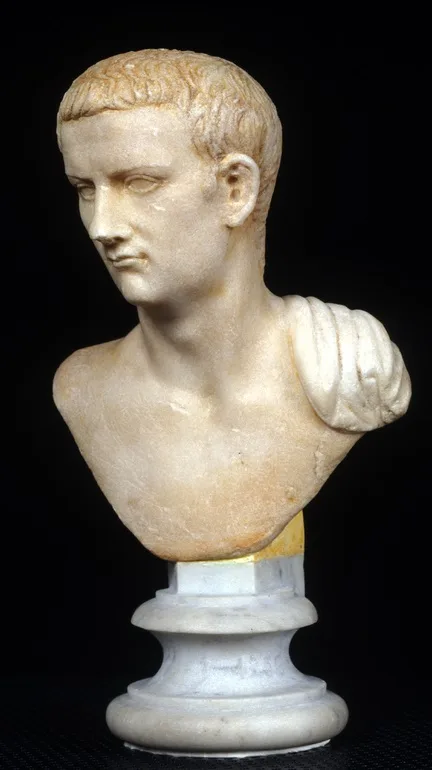
Small bust of Caligula Palazzo Massimo
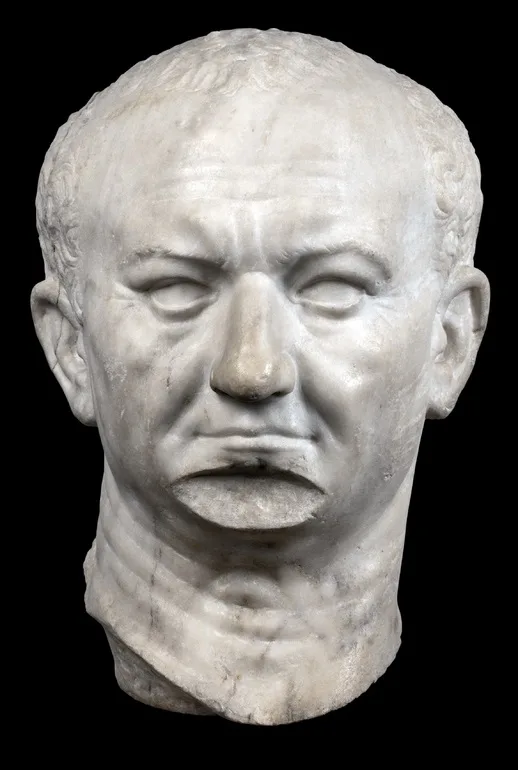
Bust of Vespasian Palazzo Massimo
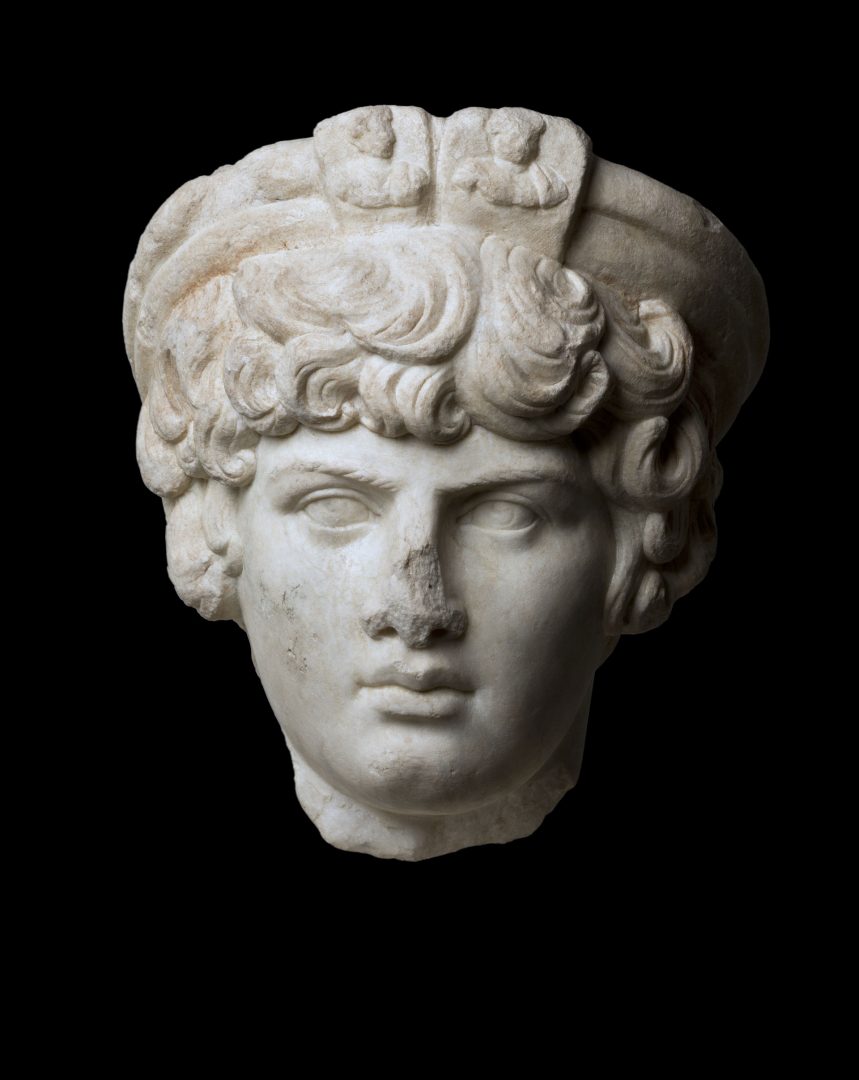
Bust of Antinous Palazzo Massimo
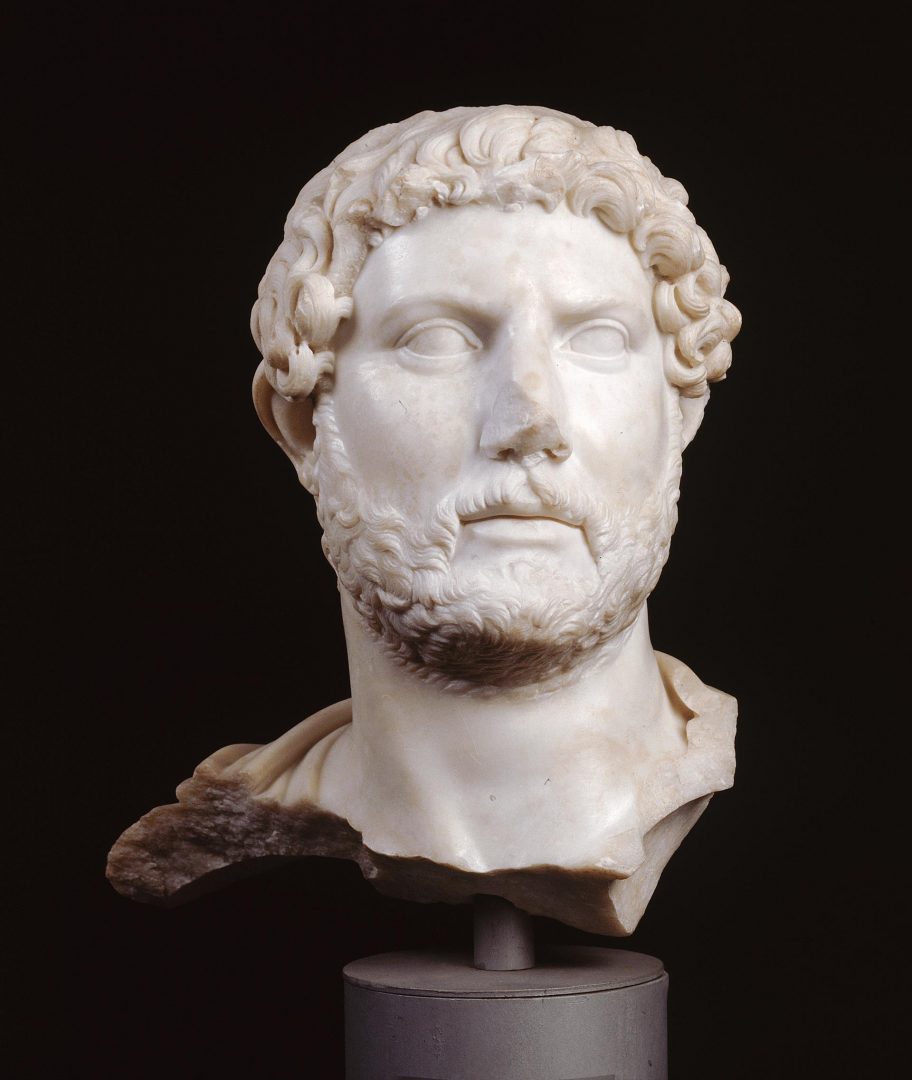
Bust with portrait of Hadrian Palazzo Massimo
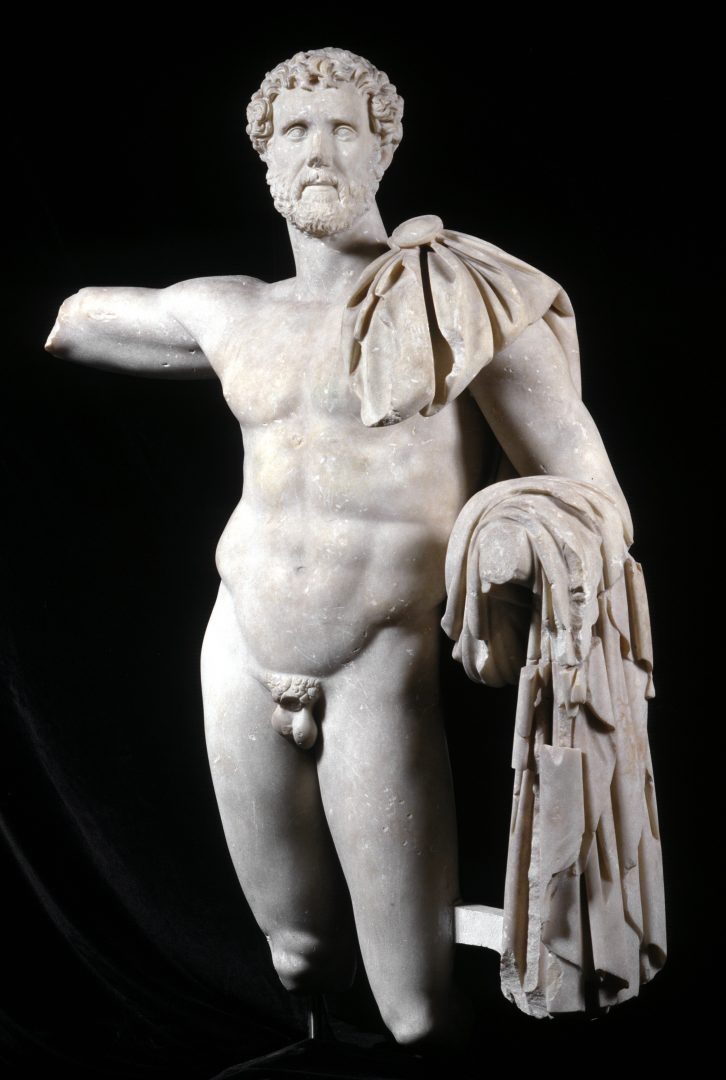
Marble bust di Antoninus Pius Palazzo Massimo
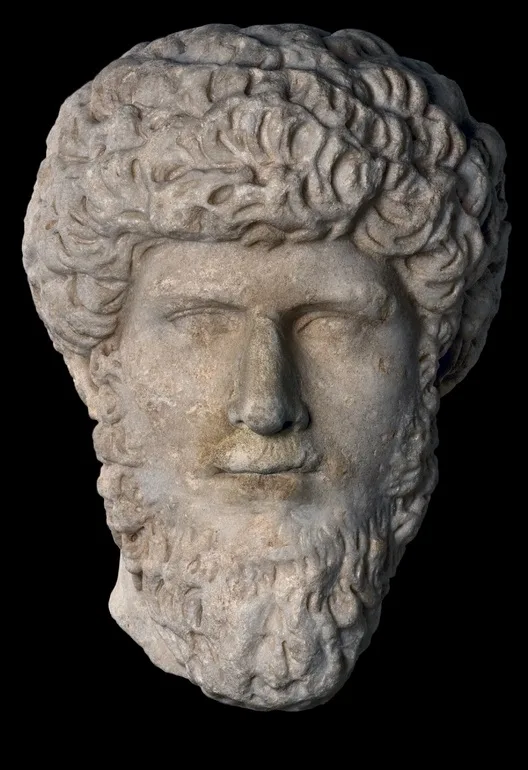
Bust of Lucius Verus Palazzo Massimo
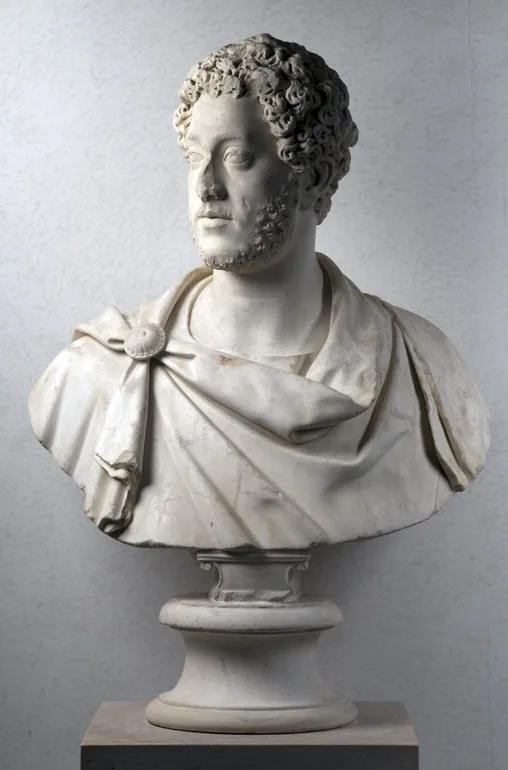
Bust of Commodus Palazzo Massimo
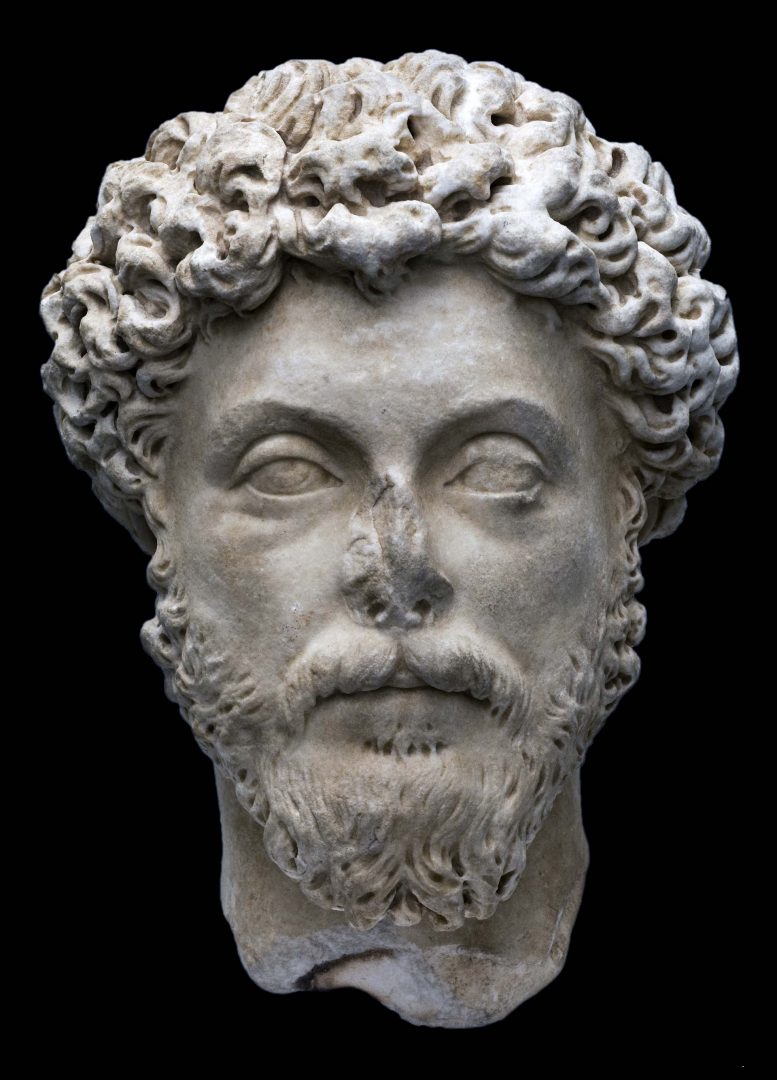
Bust of Marcus Aurelius Palazzo Massimo
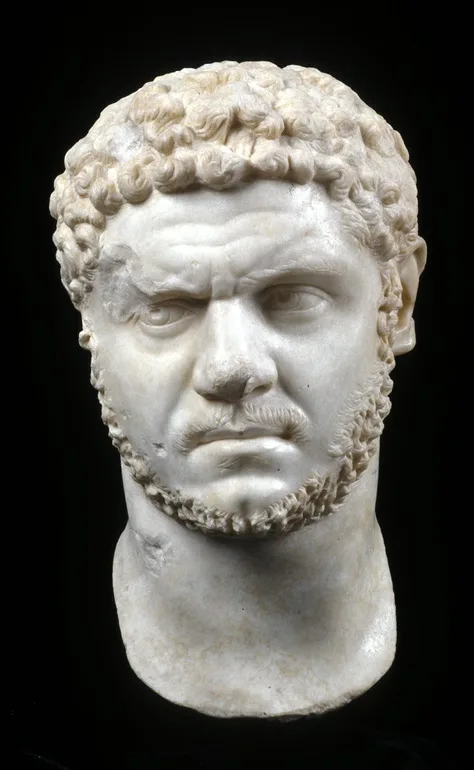
Bust of Caracalla Palazzo Massimo
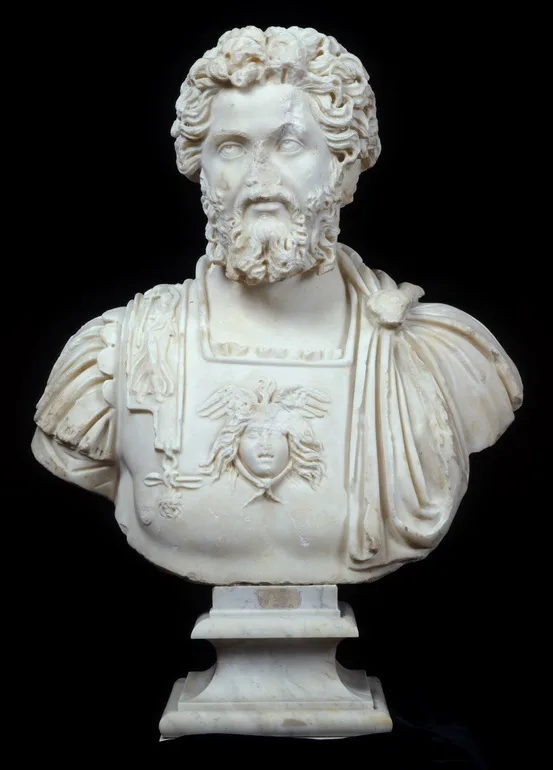
Bust of Septimius Severus Palazzo Massimo
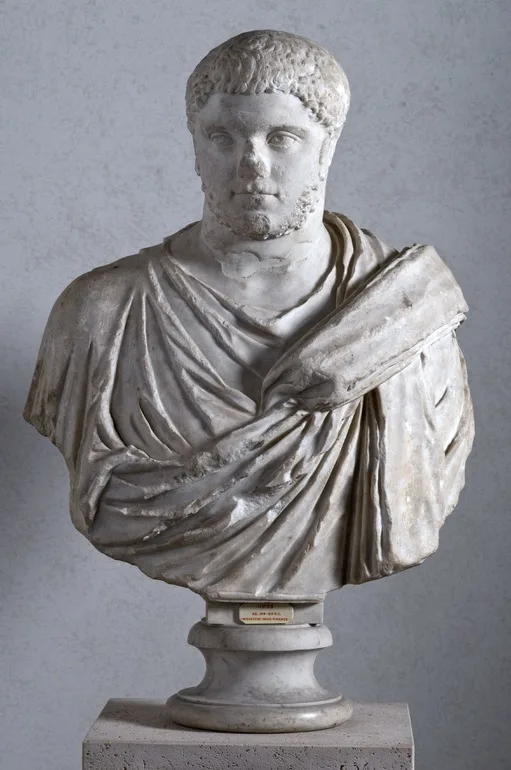
Bust of Geta Palazzo Massimo
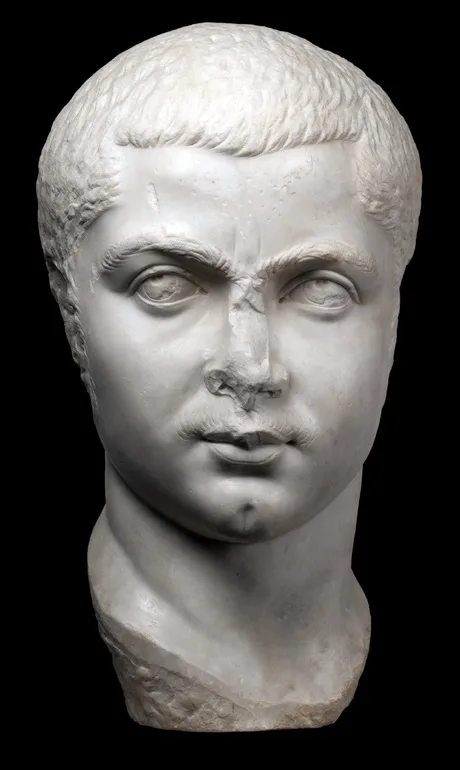
Bust of Gordian III Palazzo Massimo
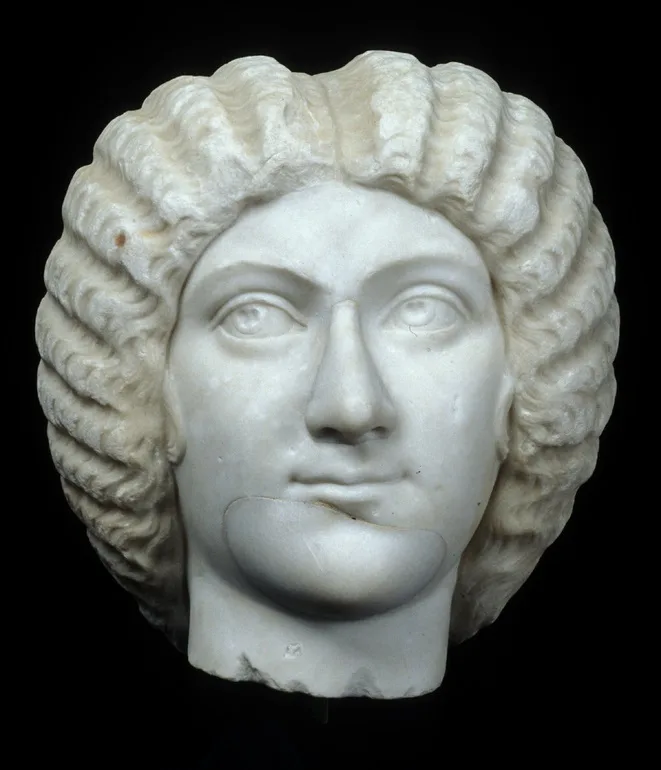
Bust of Julia Domna Palazzo Massimo