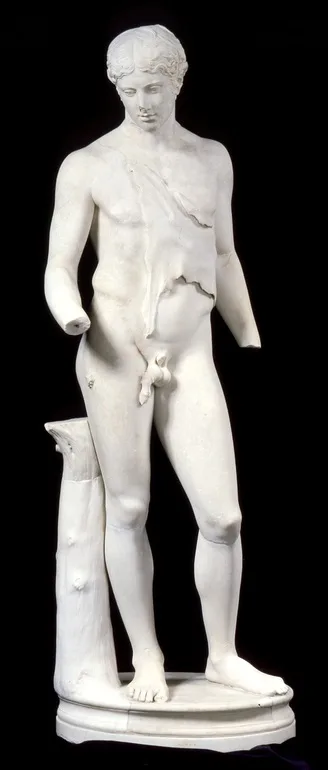
Dionysus Palazzo Massimo
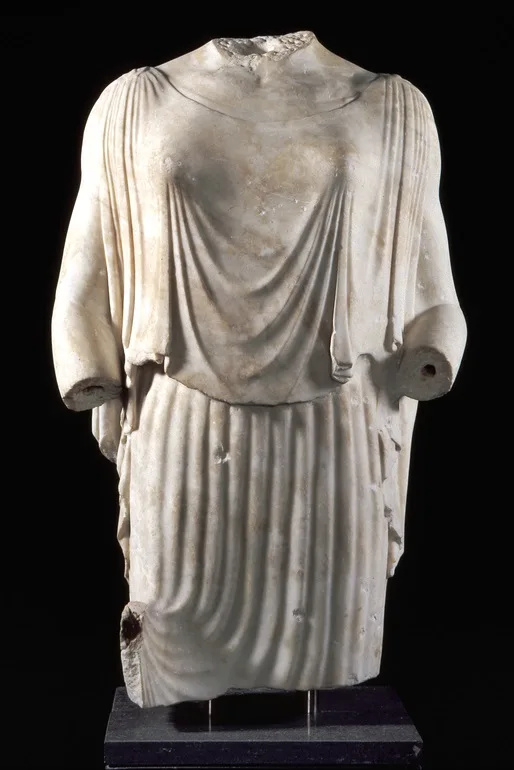
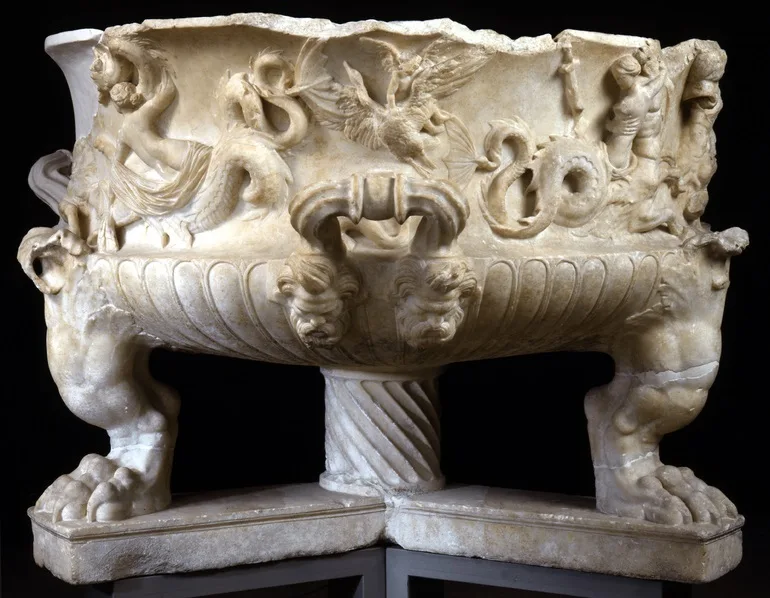
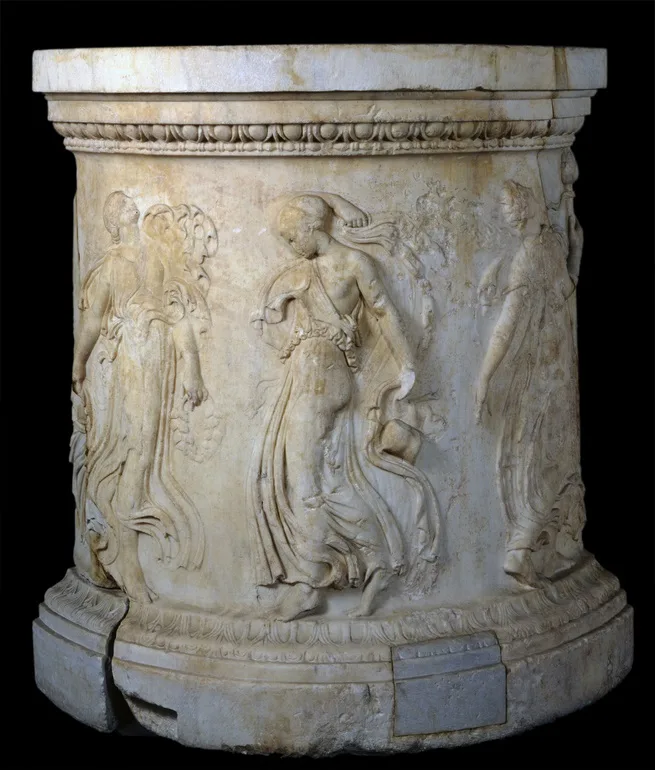
Among the spoils of the wars of conquest, the Romans captured numerous works of art. Having come into contact with Greek art and culture, they could no longer do without it, and it could in fact be said that Greece, having been captured, in turn captured Rome, its conqueror. The sculptures were placed in public spaces and, in particular, in the residences of the most important families. This was how the taste for the artistic collections was born, created through copies and reworkings in marble of the most celebrated Greek sculptures. Indeed, we owe our knowledge of these works to the desire for emulation that the Romans developed for this world of culture and ideals.
In depicting gods and figures from myth but also athletes and characters from theatre, Greek sculpture became idealised, its significance being amplified from simple decoration to universal philosophical meaning.
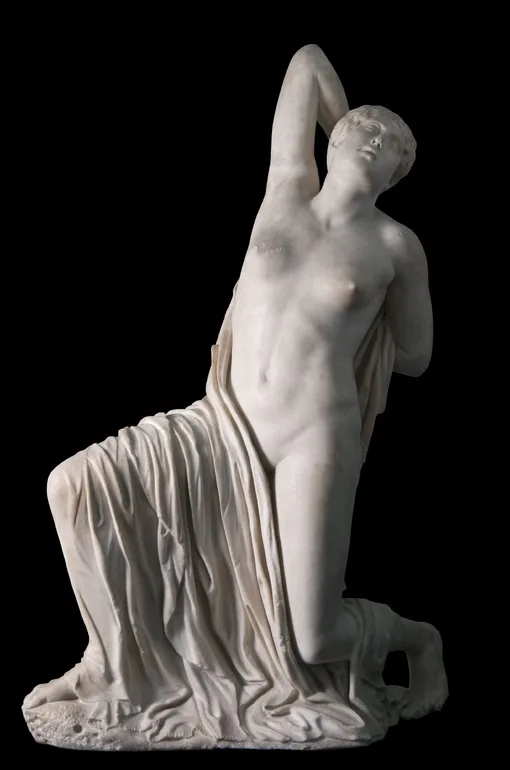
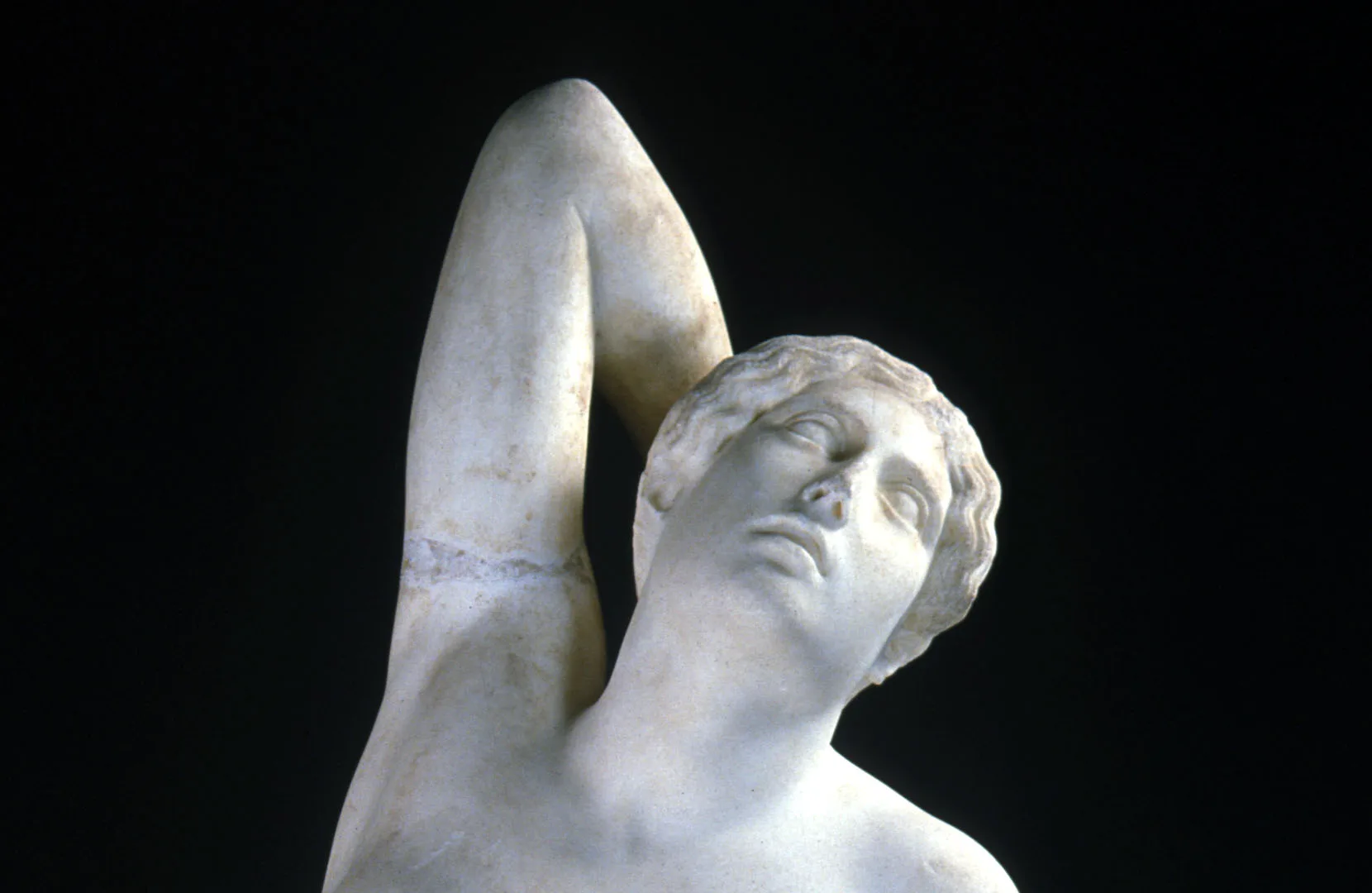
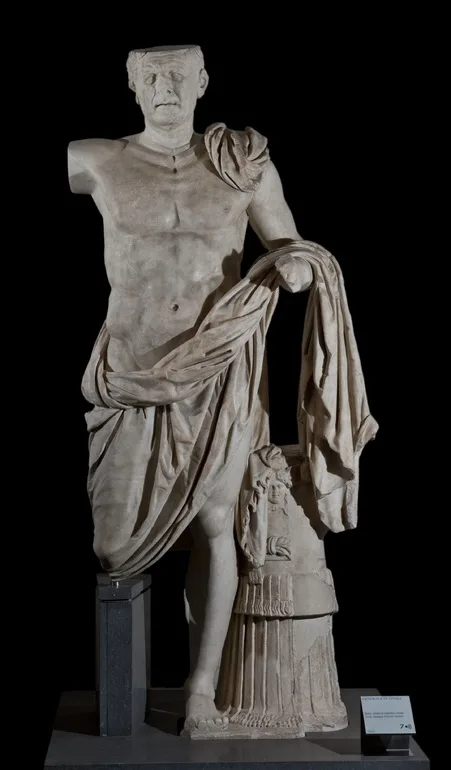
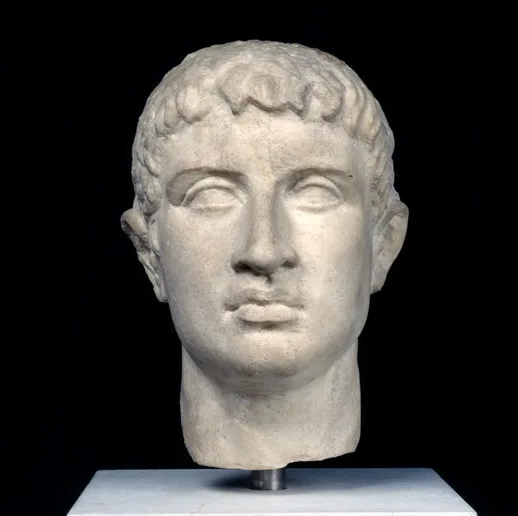
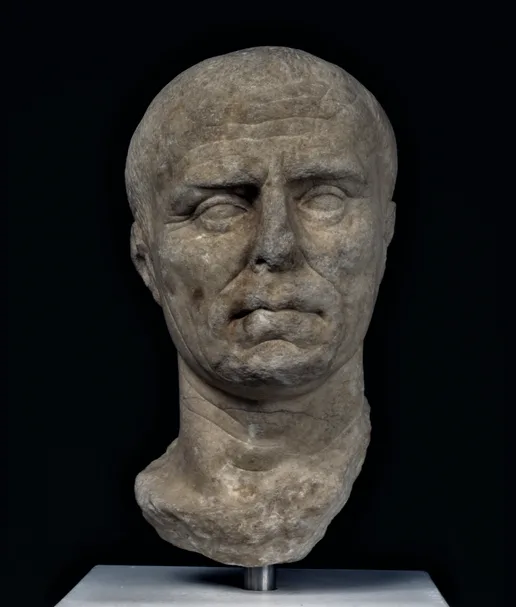
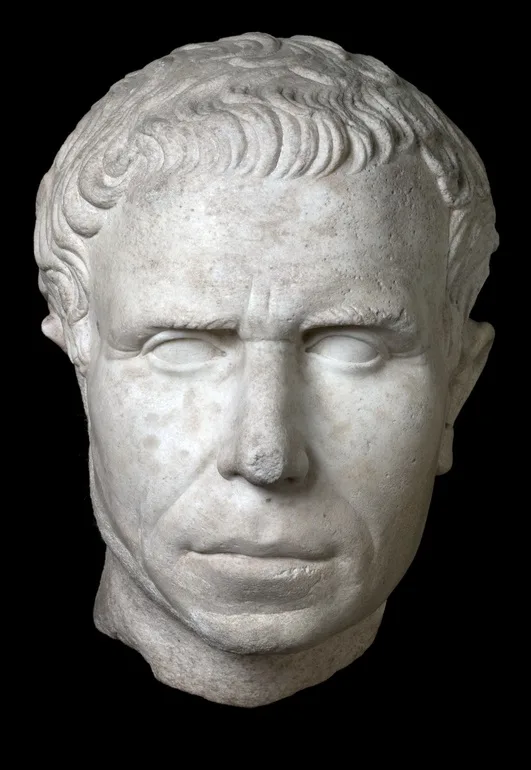
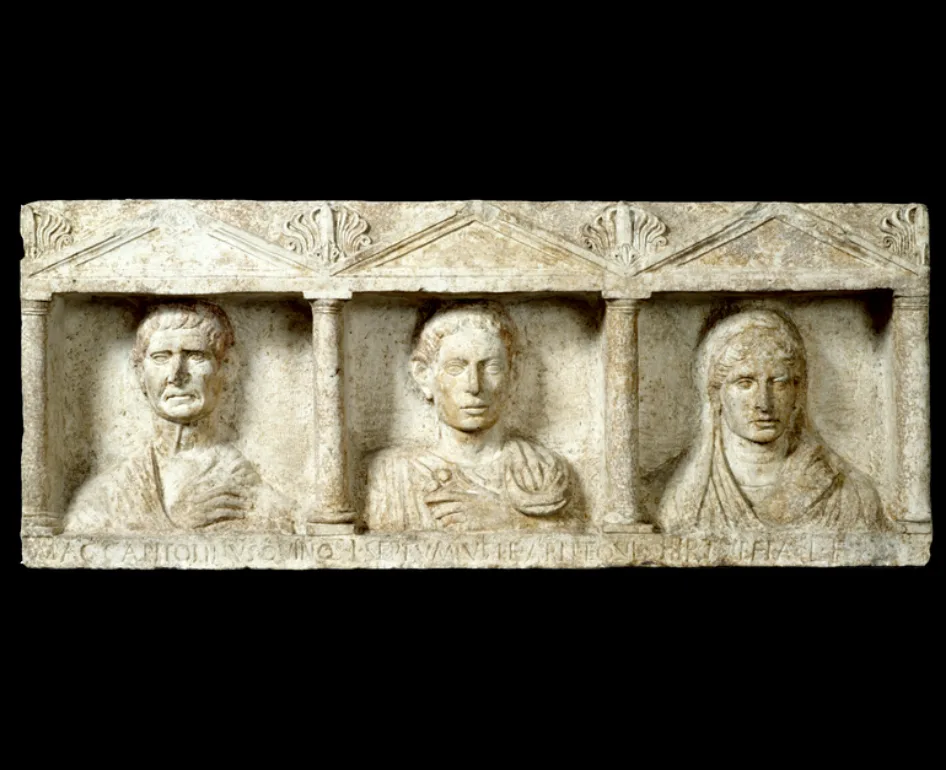
Between the 2nd and 1st centuries BC, sculpture was used to convey the faces of the ruling classes in honorary and funerary statues.
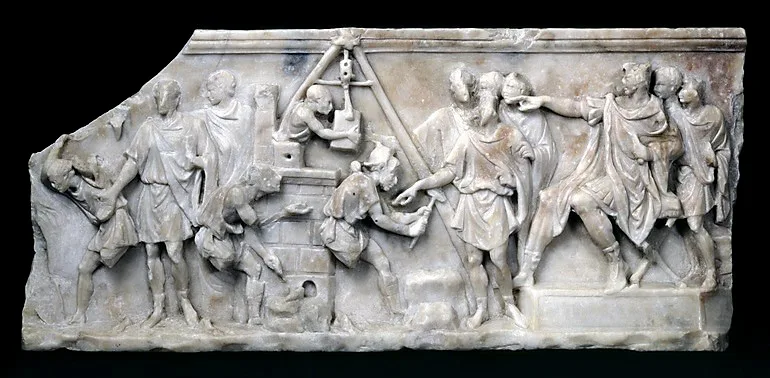
The Grand Villas
The broad, and often open, spaces of the magnificent suburban villas were
the perfect settingfor the ideal sculptures inspired by the Greek world.
Dionysus Palazzo Massimo
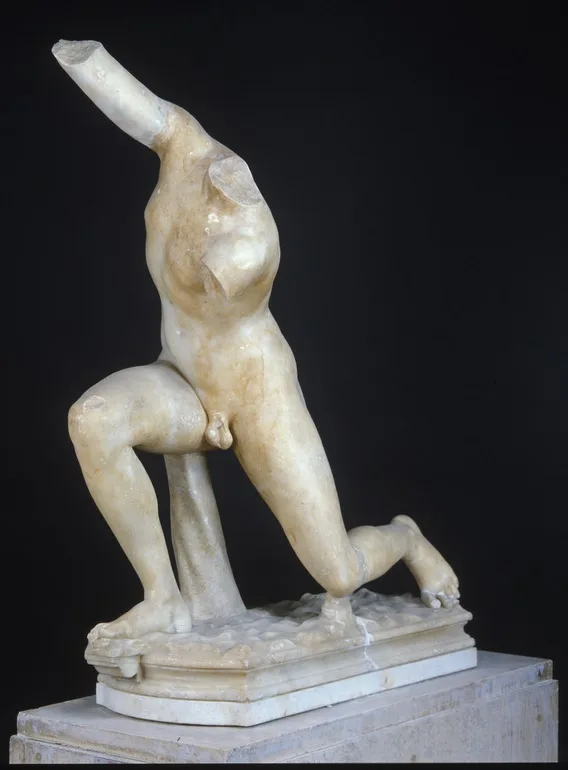
Ephebe from Subiaco Palazzo Massimo
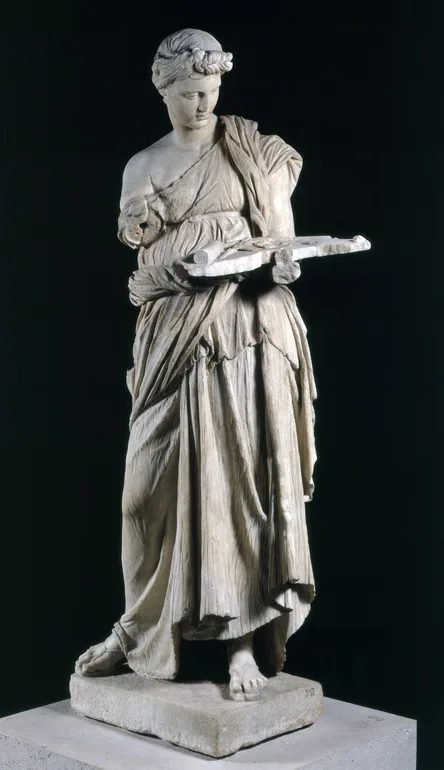
Girl from Anzio Palazzo Massimo
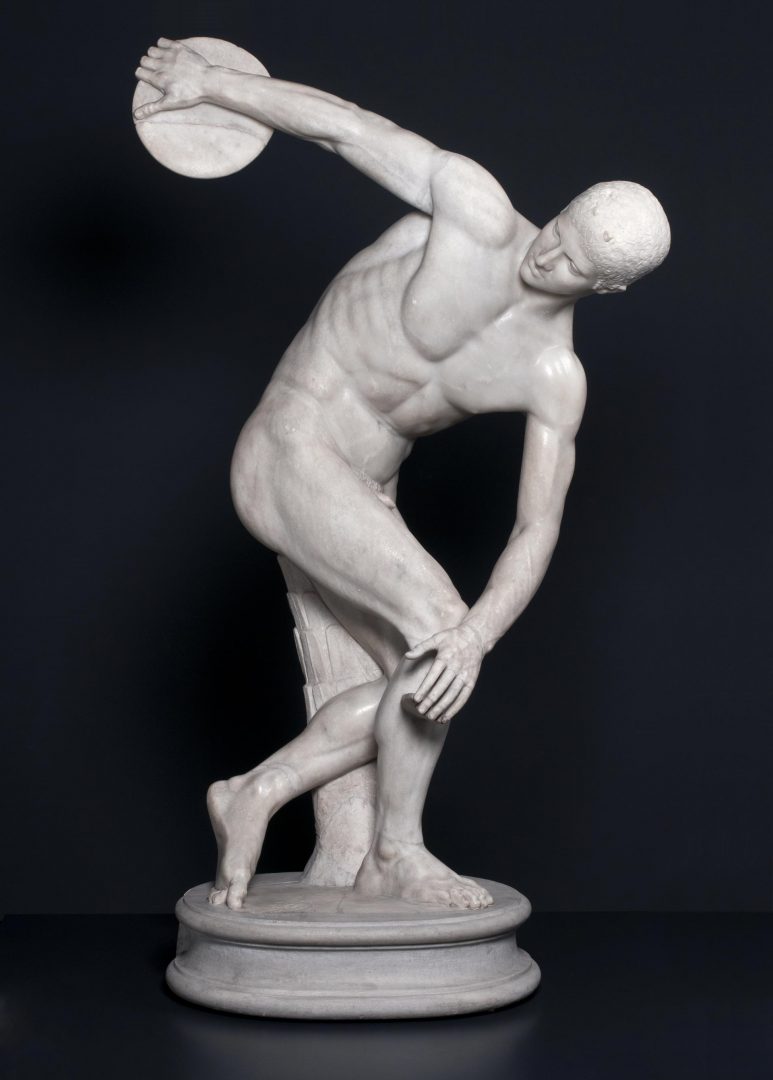
Lancellotti Discobolus Palazzo Massimo
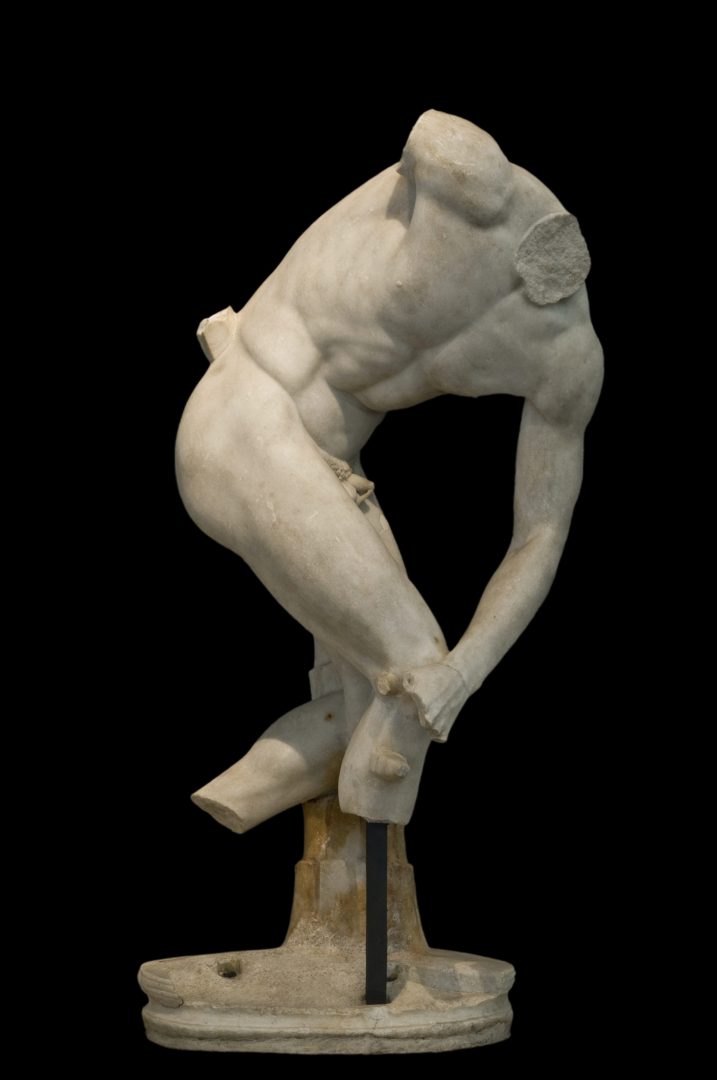
Lancellotti-type Discobolus (Discobolus of Castelporziano) Palazzo Massimo
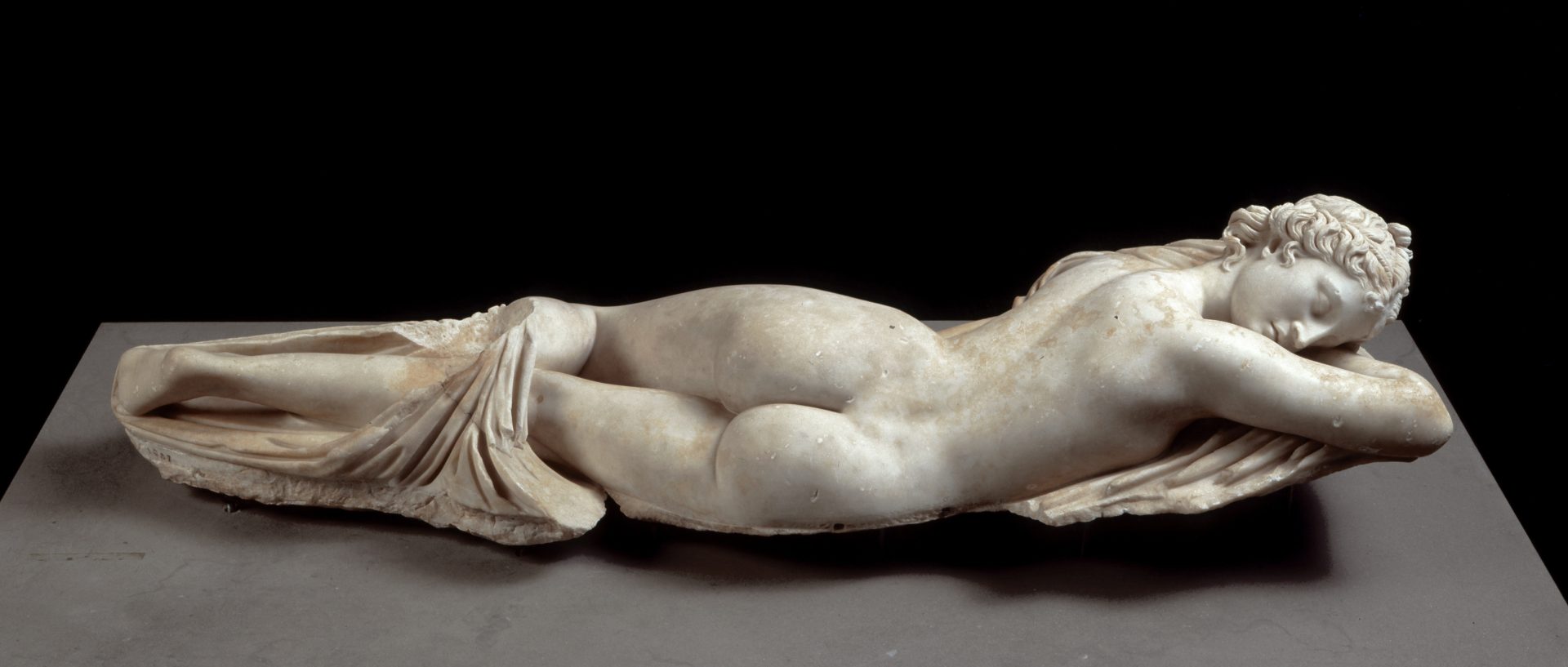
Sleeping Hermaphroditus Palazzo Massimo
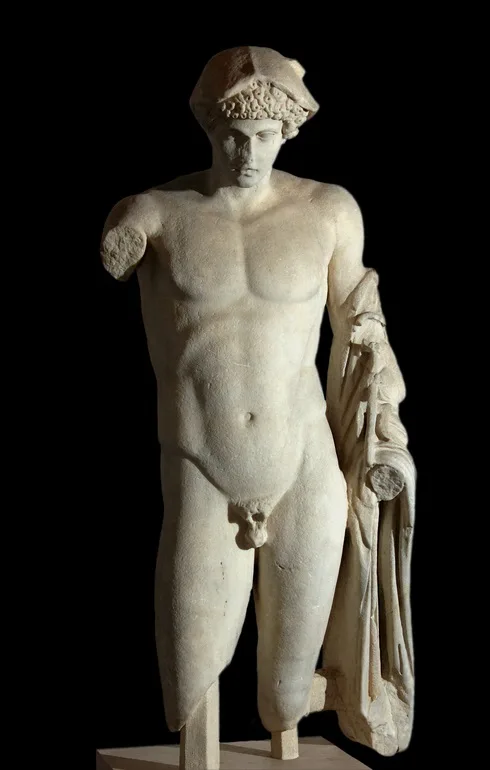
Statue of Ludovisi Hermes Palazzo Massimo
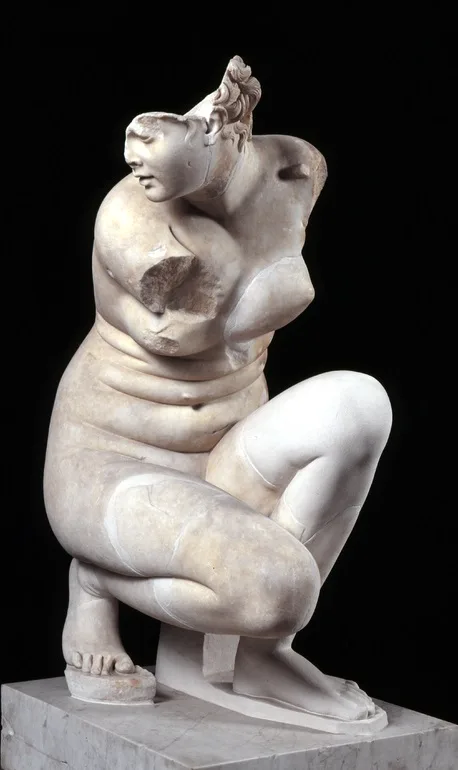
Crouching Venus Palazzo Massimo